Wildfire and Home Insurance on the Costa del Sol
What homeowners in Benahavís, Estepona, Marbella and the wider Costa del Sol should understand about fire cover, wildfire risk and protecting their property with confidence.
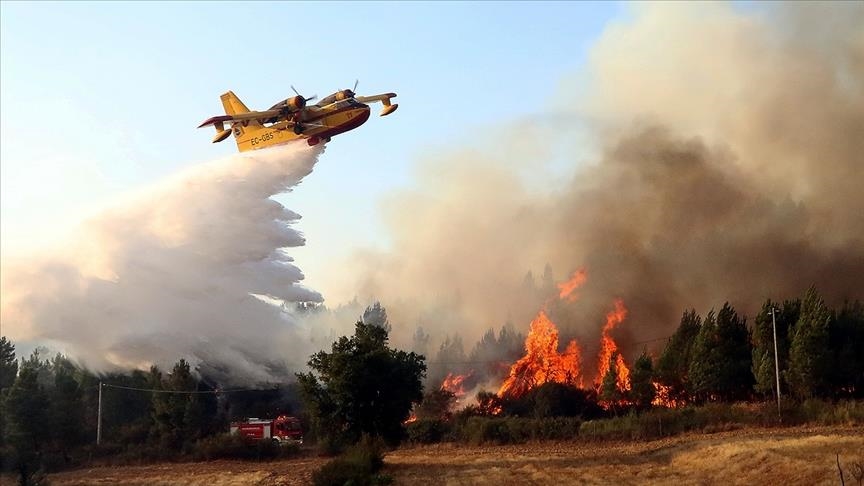
Owning a home on the Costa del Sol means living close to one of southern Europe’s most beautiful natural landscapes. Long summers, pine-covered hillsides, dry river valleys, mountain views and open countryside are all part of the appeal. However, that same Mediterranean setting also brings a seasonal reality that homeowners should understand clearly: the risk of fire and wildfire.
In areas such as Benahavís, Estepona, Marbella, Mijas and the inland valleys behind the coast, many of the most desirable homes sit close to nature. Private villas, hillside communities, golf estates and country homes often enjoy space, privacy and uninterrupted views. Yet during the driest months of the year, especially when high temperatures combine with strong winds, fire can move quickly through the landscape.
This does not mean homeowners should feel anxious. It simply means being prepared. A well-chosen insurance policy, a clear understanding of what is covered, and a few sensible precautions can provide valuable peace of mind.
Why fire cover matters in Spain
Fire cover is one of the most important protections within a Spanish home insurance policy. According to UNESPA, Spain’s insurance and reinsurance association, firefighters in Spain attend domestic fires with striking frequency. For homeowners, this makes fire protection relevant not only to countryside villas or homes close to woodland, but also to apartments, townhouses and everyday residences.
Spanish insurance law also gives fire cover a clear legal framework. Articles 45 to 49 of Spain’s Insurance Contract Law deal with fire insurance and establish that insurers must compensate fire damage to insured property when the event falls within the legal limits and policy terms. In practical terms, fire is understood as uncontrolled combustion affecting objects or structures that were not intended to burn at that time or in that place.
If you have a mortgage in Spain, your lender will normally require insurance that protects the building against fire and other major risks. Even when a property is owned outright, fire cover remains one of the most important elements of a home insurance policy, particularly in a warm, dry region such as Andalucía.
Building cover, contents cover and why the distinction matters
When reviewing home insurance in Spain, it is important to distinguish between the building itself and the contents inside it. Building cover, often referred to as continente, usually relates to the physical structure of the property. This may include walls, roofs, fixed installations, terraces, garages, built-in kitchens, bathrooms and other permanent elements, depending on the wording of the policy.
Contents cover, or contenido, is separate. It may include furniture, appliances, personal belongings, decorative items and other movable possessions. However, contents cover should never be assumed. A policy may protect the structure of the home while offering limited or no protection for the items inside it.
This distinction is especially important for second-home owners, furnished rental properties and luxury villas where the contents may have significant value. Furniture, art, outdoor furniture, audiovisual equipment, designer pieces and specialist items should all be considered carefully when arranging cover.
What a comprehensive policy should include
A good home insurance policy should do more than simply mention fire. Homeowners should understand how far the protection extends and what practical support would be available after an incident.
For the building, this may include flame damage, smoke damage, damage caused by heat, damage caused by firefighting activity, demolition, debris removal and reconstruction. If the home becomes uninhabitable, temporary accommodation can also be extremely important, particularly for families, second-home owners visiting Spain, or tenants staying in a rented property.
Outdoor areas deserve special attention on the Costa del Sol. Many homes in Benahavís, Estepona and Marbella are designed around terraces, gardens, swimming pools and outdoor living. Landscaping, irrigation systems, pool equipment, gates, fencing, pergolas, exterior kitchens, guest annexes and garden structures may not always be covered in the same way as the main house.
Major Spanish insurers commonly encourage homeowners to review whether their policy covers accidental fire, reconstruction, alternative accommodation and related costs. Some policies may be generous, while others may contain important exclusions, limits or conditions. The safest approach is to ask your insurer or broker to confirm the position clearly in writing.
Valuables, art and special possessions
High-value possessions need particular care. Cash, jewellery, precious stones, precious metals, artwork, antiques, watches, collections and other objects of special value may not be fully covered under a standard contents policy unless they are specifically declared.
For homeowners with valuable items in Spain, it is worth keeping an updated inventory, supported by photographs, invoices, valuations or ownership records where possible. This does not need to be complicated, but it can make a significant difference if a claim ever needs to be made.
If a home contains valuable art, designer furniture, specialist equipment or important personal collections, ask your insurer whether these items require separate declaration, individual limits or additional cover. It is much better to clarify this before the summer season than to discover a limitation after an incident.
Villas, hillside homes and country properties
The fire-risk profile of a property depends heavily on its setting. A village apartment, a beachfront home and a private hillside villa will not all face the same exposure. Homes close to natural land, wooded slopes, dry riverbeds, rural tracks, golf valleys or open countryside should be reviewed with particular care.
This is especially relevant in Benahavís, where many homes are prized for their privacy, space and landscape. Gated hillside estates, golf communities and country-style villas often sit close to protected natural surroundings. This setting is part of their charm, but it also makes insurance clarity and property maintenance especially important.
If your home has a large plot, mature trees, dry garden areas or land bordering open countryside, ask your insurer or broker whether any special conditions apply. Some policies may expect reasonable maintenance, such as keeping dry vegetation under control, maintaining access routes and avoiding the storage of flammable materials close to the property.
For larger villas, it is also sensible to think about access. Narrow tracks, steep driveways, locked gates and dense planting can all affect how easily emergency services or maintenance teams can reach the home. These details matter not because they should cause concern, but because they are part of responsible property ownership in a Mediterranean climate.
Apartments and community insurance
Apartment owners should not assume that the community insurance policy protects everything they personally own. A community policy may cover shared areas, façades, roofs, communal installations, gardens, lifts or other common elements, depending on the community and the policy. However, it may not cover your private contents, personal improvements or all damage inside your apartment.
If you own an apartment on the Costa del Sol, ask your community administrator what the community policy covers and then check how your own private policy fits alongside it. This is particularly important if you have renovated the property, upgraded fixtures, installed expensive equipment or furnished it to a high standard.
Second homes, rental properties and holiday lets
Many Costa del Sol properties are used flexibly. A home may be enjoyed by the owner for part of the year, left empty for certain periods, used by family and friends, rented long-term, or offered as a holiday let during the high season. Your insurance policy should reflect how the property is actually used.
Holiday rental owners should be especially careful. A standard home insurance policy may not automatically provide the correct level of cover if the property is used for short-term letting. Public liability, contents protection, loss-of-rent cover and confirmation that holiday rental activity is accepted by the insurer may all be relevant.
For second-home owners, it is also sensible to have a trusted local keyholder, property manager or neighbour who can check the home after extreme weather, smoke events or nearby emergency incidents. Fast information can make a meaningful difference when you are not in Spain.
Tenants should also take care. A landlord’s policy will usually protect the owner’s interest in the building and may cover certain fixtures, but it may not protect a tenant’s personal belongings. For renters, separate contents insurance can be a sensible layer of protection, particularly in furnished homes or long-term rental properties.
If your home is affected by wildfire
If a wildfire threatens your area, personal safety must always come first. Follow the instructions of emergency services, local authorities, Guardia Civil, Policía Local, Infoca and 112 Andalucía. Do not return to a property until the authorities confirm it is safe to do so, even if the home appears unaffected from a distance.
Once it is safe, contact your insurance company as soon as possible. Keep a clear record of what has happened, including the date, time, photographs, videos, official incident references if available and any communication from emergency services or local authorities.
If your property has been damaged, avoid disposing of affected items before the insurer has had the opportunity to assess them, unless there is an immediate safety or hygiene reason to do so. Documentation matters, particularly when proving that damage was caused by an external wildfire rather than by negligence or an intentional act.
It is also sensible to keep receipts for urgent expenses, such as emergency accommodation, security measures, temporary repairs or professional cleaning. Before authorising major works, speak with your insurer so that you understand what can be approved, what needs inspection and what evidence should be retained.
Accidental fires, negligence and exclusions
Most home insurance policies are designed to cover accidental fire damage. This may include incidents caused by lightning, electrical faults, kitchen accidents, explosions, accidental spread from neighbouring land or other unexpected events, depending on the policy wording.
However, insurers may reject or reduce claims where a fire was caused intentionally, through serious negligence, or in circumstances excluded by the policy. This is why it is important to maintain the property responsibly, follow local fire restrictions and avoid activities that could create unnecessary risk during periods of high fire danger.
In rural and semi-rural areas, homeowners should be particularly careful with garden waste, barbecues, power tools, machinery, cigarettes, candles and any activity involving sparks or heat. Local restrictions can change during the summer, so it is wise to follow official guidance from the relevant authorities.
A practical insurance review
When reviewing your policy, ask your insurer or broker to confirm whether your cover includes the building, contents, outdoor areas, smoke damage, firefighting-related damage, temporary accommodation, debris removal and reconstruction costs.
You should also confirm whether the policy reflects the way the property is used, especially if it is a second home, a holiday rental, a long-term rental, a hillside villa or a property with extensive outdoor areas.
For high-value homes, ask about policy limits, declared valuables, garden and pool equipment, alternative accommodation, liability cover and any maintenance conditions that may apply to land, trees, access routes or external installations.
Would you like to review your cover? We work with an independent insurance broker specialising in insurance for expatriates and property owners in Spain, including permanent homes, holiday properties, apartments and high-value residences. Explore home insurance and request a quote →
Simple fire-safety steps at home
Good insurance is essential, but prevention still matters. During the dry summer months, outdoor areas should be kept tidy, dry cuttings and dead vegetation should be removed, and flammable materials should not be stored close to the house.
Inside the home, many everyday fire risks remain surprisingly common. Electrical faults, overloaded sockets, unattended cooking, candles, cigarettes, fireplaces, irons and appliances can all cause domestic fires. Smoke detectors are strongly recommended, especially in larger villas, multi-level homes and properties that may be left empty for part of the year.
For homes with gardens or larger plots, basic maintenance can also help. Keeping access routes clear, trimming dry vegetation close to the house and maintaining irrigation systems are simple steps that support both safety and insurability.
For second homes, preparation is also about communication. A keyholder, neighbour, community administrator or property manager should know how to reach you quickly. They should also know where the main water, electricity and gas controls are located, and how to access the property safely if emergency services require assistance.
The quiet responsibility of owning a home here
To own a home on the Costa del Sol is to enjoy one of Europe’s most desirable climates. Long evenings, open terraces, mountain light and Mediterranean views are part of everyday life. Yet that same climate asks for a certain level of responsibility, especially during the hottest and driest months of the year.
Wildfire preparation does not need to feel dramatic. It can be as simple as reading your insurance policy properly, asking the right questions, keeping outdoor areas well maintained and knowing who to call if something happens nearby.
For homeowners in Benahavís and the surrounding Costa del Sol, the best approach is calm, practical and informed. Good insurance cannot prevent a wildfire, but it can protect your home, your finances and your peace of mind if the unexpected happens.
If you own a home in Benahavís, Estepona, Marbella or the wider Costa del Sol, it is worth reviewing your policy before the height of summer and making sure your cover reflects both your property and your lifestyle.
This article is for general information only and should not be treated as legal, financial or insurance advice. Always speak directly with your insurer, broker or legal adviser before making decisions about cover, claims or policy changes.