Summer Weather in Benahavís: What the Heat Really Feels Like
A local guide to summer heat in Benahavís — from hillside breezes and warm evenings to tropical nights, wildfire awareness and the daily rhythm of life above the Costa del Sol.
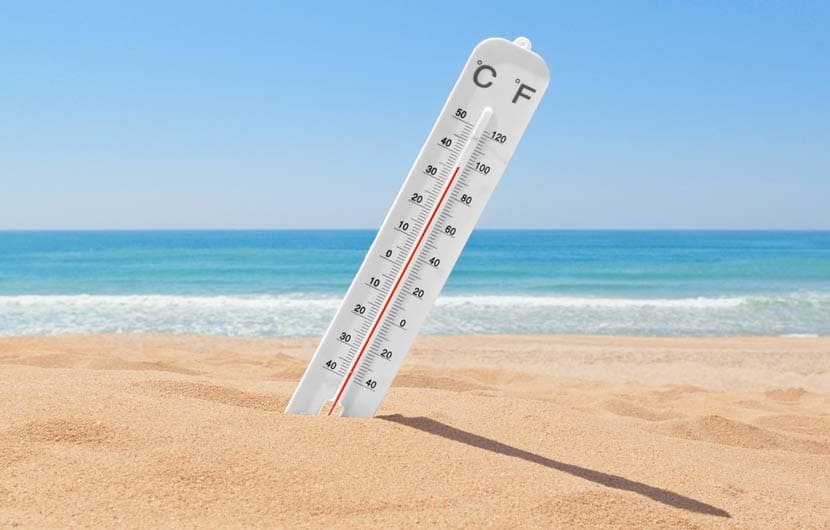
One of the quiet advantages of living in Benahavís is that summer feels close to the coast without feeling entirely coastal.
The Mediterranean is only a short drive away, yet many of the municipality’s most desirable homes sit slightly inland, above the beach resorts, where elevation, valley breezes and open views can make a noticeable difference to daily life. In summer, that difference matters.
Spain often makes international headlines for heatwaves. Seville, Córdoba, Jaén and inland valleys can reach temperatures that feel almost impossible to imagine if you are used to the UK, northern Europe, Canada or much of the United States. Benahavís is still part of Andalucía, and summer here is certainly hot. However, it is not the same experience as living deep inland, nor is it identical to life on the humid beachfront.
Understanding that nuance is essential if you are planning to buy, relocate, retire or spend more time here.
Benahavís is hot in summer — but micro-location changes everything
Benahavís is a mountain municipality, not a simple coastal town. That means summer weather can vary more than many newcomers expect.
A home in Benahavís Village will feel different from an apartment in La Quinta, a villa in Los Flamingos, a hillside estate in El Madroñal or a golf-view home near Atalaya. Orientation, elevation, wind exposure, building quality, shade and whether a property faces west all influence how comfortable the home feels in July and August.
South and west-facing terraces can be glorious in winter, but intense in high summer. East-facing terraces often feel easier for breakfast and morning use. Homes with covered outdoor space, ceiling fans, pergolas, mature planting and good cross-ventilation tend to live better through the hottest weeks.
This is one reason summer viewings can be so useful. A property that feels bright and beautiful in March may reveal a different rhythm in August. Equally, a home that looks slightly shaded in winter may become wonderfully liveable in summer.
How Benahavís compares with the coast and inland Andalucía
The Costa del Sol benefits from the Mediterranean, but the coast also brings humidity. In beachside areas, the temperature may be lower than inland Andalucía, yet warm humid nights can make the air feel heavier.
Benahavís usually sits in a more balanced position. It is close enough to the sea to avoid the most extreme inland heat, but high enough in many areas to catch more air movement than the densest parts of the coast.
That does not mean it is cool. It means it is different.
Inland cities such as Seville and Córdoba can experience fierce summer afternoons, often with dry heat and very high daytime readings. Málaga city can feel hotter at night because of urban density, retained heat and coastal humidity. Benahavís, depending on the exact area, can feel more open and breathable, particularly in homes with elevation, mountain views and shaded outdoor spaces.
For buyers, this is not just weather trivia. It affects how you use the house, how often you sit outside, whether you need air conditioning in every room, whether a pool is essential, and whether a covered terrace becomes the most important room in the home.
The real summer challenge: warm nights
During a heatwave, daytime temperatures attract most of the attention. Yet the real test of summer comfort is often what happens overnight.
When temperatures drop properly after sunset, homes and bodies recover. Sleep improves, terraces become usable again and the day resets. When nights remain warm, heat accumulates. Walls, terraces and paved areas hold warmth, air conditioning works harder and people feel the effects more quickly.
These very warm nights are often called tropical nights, usually meaning the temperature remains above 20°C. They are common in many Mediterranean locations during summer, especially near the coast.
In Benahavís, elevation can help. Higher, more open homes may cool more easily than enclosed urban streets or dense beachfront apartment zones. However, this varies by property. A well-positioned home with shade, airflow and good insulation can feel far better than a poorly oriented home at the same address.
That is why the details matter.
The local rhythm of summer life
Summer in Benahavís is not something to fight. It is something to work with.
The day naturally shifts. Morning becomes the best time for walking, errands, coffee, golf practice, viewings and outdoor jobs. The middle of the afternoon slows down. Shutters close, terraces empty, pools become quiet and homes retreat into shade. Then, as the sun lowers, life returns.
This rhythm is one of the pleasures of southern Spain once you stop resisting it.
Dinner happens later. Village streets feel more alive after sunset. Children play outside later than northern Europeans expect. Restaurant terraces fill when the heat softens. Evening walks, rather than lunchtime walks, become part of the routine.
For visitors, this can feel unusual at first. For residents, it becomes second nature.
Why summer heat should influence property choice
When people search for property in Benahavís, they often begin with views, bedrooms, location and budget. In summer, another question becomes just as important: how does the home live in the heat?
A beautiful terrace is only valuable if you can use it. A west-facing view may be spectacular, but it needs shade. A large villa may offer space and privacy, but it also needs sensible cooling, insulation and manageable running costs. An apartment may be easier to maintain, but its orientation and ventilation still matter.
Useful questions to ask include:
- Does the main terrace have shade during the hottest part of the day?
- Is there natural airflow through the property?
- Are bedrooms protected from strong afternoon sun?
- Is the air conditioning modern and efficient?
- Are shutters, awnings, pergolas or covered terraces already installed?
- Does the outdoor space work in both winter and summer?
This is especially important for retirees, families with young children, pets, remote workers and buyers planning to live here full-time rather than visit only in spring and autumn.
For practical summer advice, our separate guide to keeping cool in Benahavís covers day-to-day tips in more detail.
Outdoor life changes — it does not disappear
A common misconception is that summer heat stops outdoor life. In Benahavís, it simply changes the timing.
Golfers play earlier. Walkers choose shaded routes or go out after sunset. Families spend more time by the pool. Long lunches move into shaded terraces. Beach days start early or stretch into the evening. Village dinners begin later and often last longer.
The Guadalmina river, shaded streets, mountain roads and nearby beach clubs all become part of the seasonal rhythm, but the best summer days are planned rather than improvised.
If you are visiting in July or August, avoid judging the area by what happens at 3pm. Judge it by the morning light, the evening terraces and the way the village comes alive after dark.
Wildfire awareness is part of summer life
Benahavís is surrounded by natural landscapes, wooded hillsides and open countryside. That beauty is part of its appeal, but it also means wildfire awareness matters during the hotter months.
In Andalucía, the high-risk forest fire period runs from 1 June to 15 October. During this period, restrictions apply to the use of fire in forest areas and zones of influence, including barbecues, bonfires and agricultural burning.
This does not make Benahavís unsafe as a place to live. It simply means residents and visitors need to understand local rules, respect restrictions and avoid careless behaviour in rural areas.
If you are walking, cycling, visiting viewpoints or spending time in the countryside during summer, check local guidance, avoid smoking in natural areas, never leave glass or rubbish behind, and follow any access restrictions during high-risk periods.
What future residents should understand before moving
If you are considering a move to Benahavís, summer weather should be part of your decision-making, not a footnote.
Some people love the long, hot season. Others prefer to spend July and August travelling, returning for the softer months of spring, autumn and winter. Many full-time residents adapt quickly and come to enjoy the slower summer pace.
The key is choosing the right property and the right micro-location.
A lock-up-and-leave apartment with a shaded terrace and communal pool may suit a couple who wants simplicity. A village home may suit someone who enjoys restaurants, community and evening walks. A hillside villa may suit buyers who prioritise privacy, views, breezes and outdoor entertaining. A golf apartment may work beautifully for those who want green views and low-maintenance living.
There is no single “best” summer location in Benahavís. There is only the location that best matches how you live.
So, what does summer in Benahavís really feel like?
It feels warm, bright and unmistakably Andalusian.
It is not the extreme furnace of inland Andalucía, nor the constant humidity of a dense beachfront city. It is a more layered experience: hot afternoons, softer mornings, late dinners, shaded terraces, warm stone, mountain silhouettes and the occasional breeze that reminds you why elevation matters.
For buyers and future residents, the lesson is simple. Do not only ask whether Benahavís is hot in summer. Ask how a specific home handles the heat.
That is where the real answer lies.
Looking for a home that works in every season?
We can help you compare orientation, shade, terrace usability, cooling, community facilities and micro-location before you start viewing.
Related Reading
Keeping Cool in Benahavís
Practical summer advice for staying comfortable during the hottest weeks, from shade and timing to pools, terraces and daily habits.
Living in Benahavís
Explore the wider lifestyle of Benahavís, from village life and golf to outdoor living, community rhythm and year-round appeal.
Best Areas in Benahavís
Compare the village, hillside estates, golf communities and lifestyle areas to understand which setting best fits the way you live.
Sources & Local Checks
AEMET — Benahavís
Official local weather forecast for Benahavís, useful for checking current temperatures, warnings and short-term conditions.
AEMET — Málaga
Official Málaga forecast for broader Costa del Sol context, including temperature patterns and weather warnings.
Junta de Andalucía — Fire Restrictions
Official guidance on summer fire-use restrictions in forest areas and zones of influence between 1 June and 15 October.
Looking for a home outside Benahavís?
Holiday Homes Spain
covers the whole Costa del Sol.