Living in Benahavís
Keeping Pets Safe in the Benahavís Summer Heat
Simple precautions can help protect dogs, cats and other animals from heatstroke during the hottest months of the Costa del Sol summer.
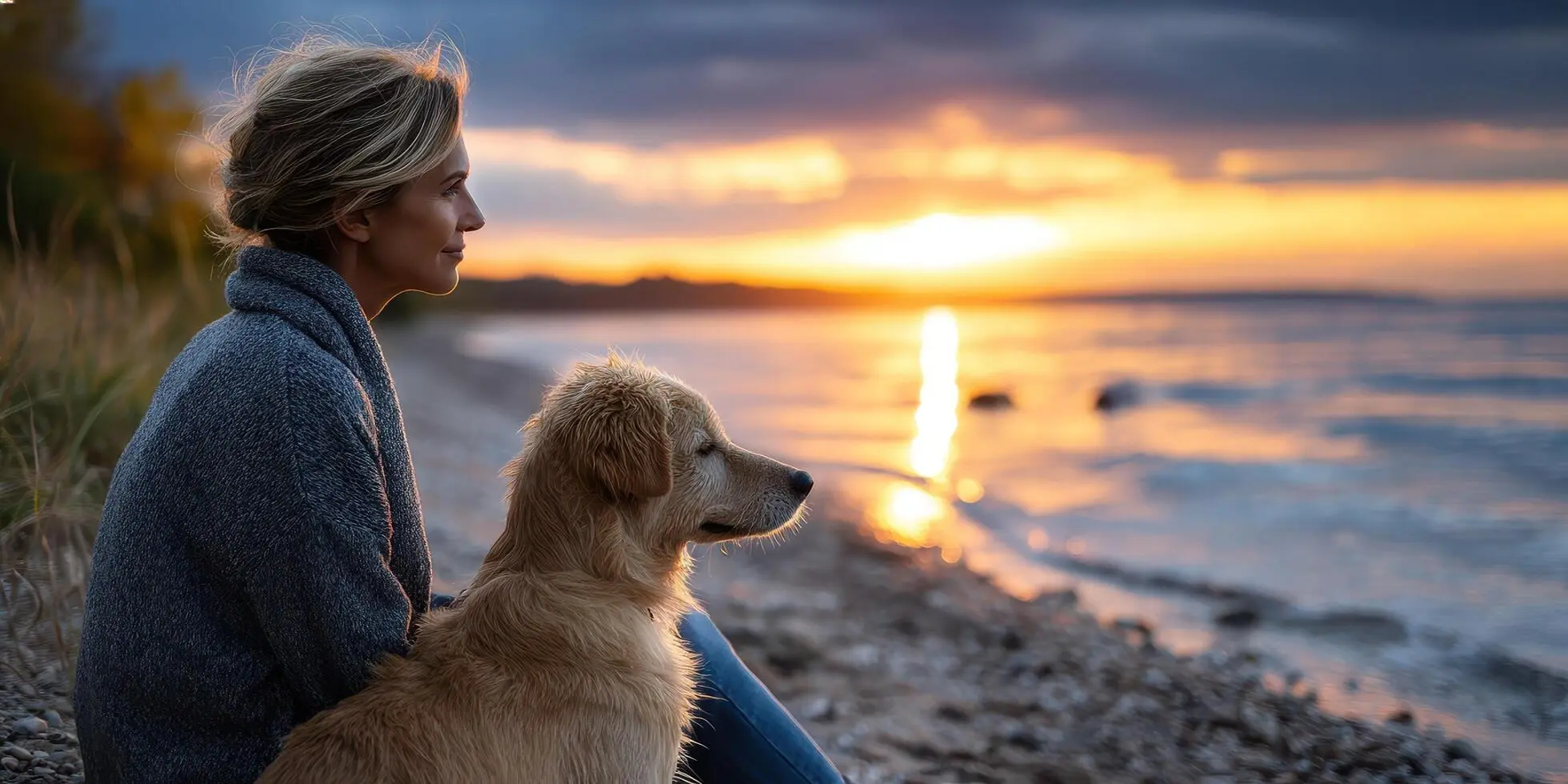
Summer in Benahavís means long, bright days, warm evenings and more opportunities to enjoy the outdoors. However, keeping pets safe in Benahavís requires extra care because high temperatures can become dangerous surprisingly quickly.
Benahavís Town Council’s Health Department has launched a summer awareness campaign reminding residents that a few straightforward precautions can help prevent heatstroke and protect the animals that share our homes. Whether you live here throughout the year, spend the summer in Benahavís or are visiting with a pet, it is important to plan around the heat.
Why the summer heat can be dangerous for pets
Dogs do not regulate their body temperature as efficiently as people. Instead, they cool themselves primarily by panting, which may not be enough during strenuous exercise or prolonged exposure to high temperatures.
Cats usually seek cooler places instinctively, but they can still overheat—particularly if they become trapped inside a shed, garage, greenhouse or poorly ventilated room. Rabbits, guinea pigs, birds and other small animals are also vulnerable, especially when cages or enclosures are exposed to direct sunlight.
Older animals, puppies and kittens, overweight pets, animals with heart or breathing conditions and flat-faced breeds such as French bulldogs, English bulldogs and pugs require particular care. If your pet has an existing health condition, ask your veterinarian whether you should take any additional precautions during hot weather.
Choose cooler times for walks
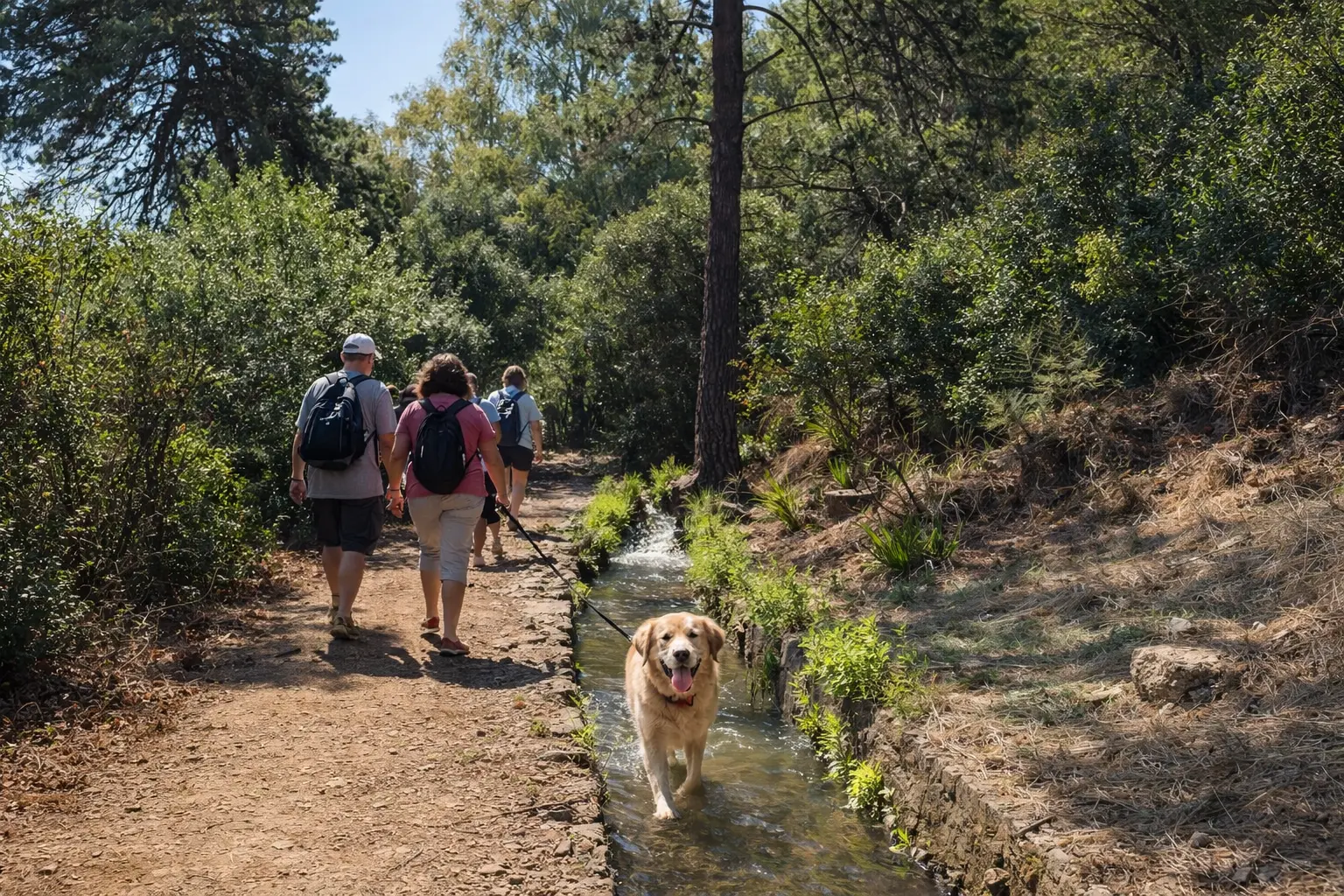
In the height of summer, plan dog walks for early in the morning or around dusk, once the temperature has begun to fall. Avoid the middle of the day, even when your usual route appears shaded.
The countryside around Benahavís provides beautiful places to walk, but exposed tracks, stone paths and steep climbs can become demanding in hot weather. Choose shorter, gentler routes, stay close to shade and allow your dog to set the pace. On particularly hot days, a brief comfort break followed by indoor enrichment may be safer than a long walk.
Check the ground before setting out. Pavements, artificial surfaces, stone terraces and sand can retain intense heat and may burn sensitive paw pads. If the surface feels uncomfortably hot to your hand, choose a cooler route or wait until later.
Keep fresh water within reach
Pets should always have access to clean, fresh water. At home, consider placing more than one water bowl around the property and check them regularly throughout the day. Outdoor bowls should remain in the shade.
Carry water and a portable drinking bowl whenever you take your dog out. Do not assume that a short walk will remain short: an unexpected delay, a conversation or a change of route may keep you outdoors for longer than planned.
Cats sometimes drink less than they need. Additional bowls, wet food or a pet drinking fountain may encourage them to increase their water intake during warmer weather. Make sure that birds and small animals also have a reliable water supply that cannot easily be tipped over.
Create a cool place to rest
Every pet needs access to a shaded, well-ventilated resting area. Indoors, close blinds or shutters where direct sunlight enters, maintain airflow and use air conditioning or fans sensibly where available.
Cooling mats, damp towels and gently misting an animal’s body may provide relief, provided the pet is comfortable with them. Outdoor beds, kennels, cages and runs should never be positioned in continuous sun. Remember that the movement of the sun can leave a previously shaded area fully exposed later in the day.
Check garages, storage rooms, conservatories, garden buildings and utility areas before closing them. Cats in particular may slip inside unnoticed and become trapped in dangerously hot conditions.
Never leave a pet inside a parked vehicle
A pet should never be left unattended inside a vehicle during warm weather—not even for a few minutes, with the windows partly open or while the car is parked in the shade.
The temperature inside a vehicle can rise rapidly, creating potentially fatal conditions. Shade moves during the day, while an air-conditioning system can stop if the engine cuts out. When travelling, cool the vehicle before your pet enters, provide adequate ventilation and carry drinking water. On longer journeys, schedule regular breaks in a safe, shaded place.
Take care around pools, gardens and terraces
Swimming pools can help some dogs cool down, but pets should always be supervised around water. Not every dog is a confident swimmer, and even experienced swimmers can become tired or struggle to locate the pool steps.
Rinse chlorine or salt water from the coat after swimming and make fresh drinking water available so that your pet is not tempted to drink from the pool or sea.
Terraces and artificial grass can become extremely hot. Meanwhile, garden chemicals, fertilisers, pest treatments and some seasonal plants may present additional risks. Keep potentially harmful products securely stored and contact a veterinarian if you believe your pet has ingested something unsafe.
Recognising a possible heatstroke emergency
Heatstroke requires urgent veterinary attention. Warning signs may include:
- Heavy or excessive panting
- Unusual or excessive drooling
- Weakness or pronounced lethargy
- Confusion, staggering or loss of coordination
- Vomiting or diarrhoea
- Very red, dark or purple gums
- Collapse, seizures or difficulty breathing
If you suspect heatstroke, move the animal into a cool, ventilated place and telephone a veterinarian immediately. Begin cooling the animal with cool water while arranging urgent veterinary care. Avoid ice or freezing water, and do not wrap the animal in a wet towel because this can retain heat.
Do not wait to see whether the symptoms pass. Heatstroke can cause serious internal damage even when an animal initially appears to recover. Follow the veterinarian’s instructions and continue cooling during the journey if advised.
Veterinary guidance for hot weather
For further advice about preventing and responding to heat-related illness, the following veterinary resources provide useful guidance:
- Spanish Collegiate Veterinary Organisation: summer emergencies affecting pets
- Spanish veterinary guidance on protecting pets from summer heat
- Blue Cross: how to keep different types of pets cool in summer
- Blue Cross: heatstroke signs and hot-weather advice for dogs
Veterinary help near Benahavís
Benahavís residents have several veterinary practices within reach in San Pedro de Alcántara, as well as a veterinary house-call service covering the municipality. The following details are provided for convenience and do not represent a commercial endorsement.
Clínica Veterinaria San Pedro Dr. Hormigo
A San Pedro de Alcántara veterinary clinic whose website states that it provides a 24-hour emergency service, hospital care and home emergency assistance.
Telephone: +34 952 788 089
Address: Avenida Pablo Ruiz Picasso, 19, San Pedro de Alcántara
GreenVet Animal Hospital
A veterinary hospital in San Pedro de Alcántara offering consultations, diagnostic services, surgery and veterinary emergency assistance.
Telephone: +34 660 891 264
Address: Calle Dr. Eusebio Ramírez, 1, San Pedro de Alcántara
Pedro Illas Rodríguez — Mobile Veterinarian
A registered mobile veterinarian providing home visits in Benahavís, San Pedro, Marbella, Estepona and neighbouring areas, including initial emergency assessment and referral where required.
Telephone: +34 617 809 533
Service: Veterinary home visits covering Benahavís
Clinic details and opening arrangements can change. Telephone before travelling whenever possible, particularly outside normal opening hours. In a suspected heatstroke emergency, explain the animal’s symptoms and follow the veterinary professional’s immediate instructions.
Considering pet insurance in Spain? Our independent insurance partner can provide quotations for pet cover, including policies that may cover veterinary fees following accident or illness, third-party liability, boarding fees and loss through straying or theft. Explore pet insurance and request a quote →
A safer summer for every member of the family
Pets depend on us to recognise risks that they cannot avoid themselves. Adjusting walking times, providing constant access to water and shade, and recognising the early signs of heatstroke can make an enormous difference.
The message from Benahavís Town Council is simple: our animals are part of our families. Looking after them during periods of intense heat protects their wellbeing and contributes to a safer, healthier and more considerate community for everyone.
This article provides general information and is not a substitute for professional veterinary advice. If you are concerned about an animal’s health or suspect heatstroke, contact a veterinarian without delay.
More Pet Guides
Practical guidance for buying, travelling and settling into life in Spain with a pet.
Pet Guide
Buying a Pet in Spain
What prospective owners should know about responsible breeders, adoption, identification and animal welfare.
Read the guide →
Local Living
Pet-Friendly Living in Benahavís and Marbella
Explore everyday life with a pet, from outdoor spaces and local services to practical responsibilities.
Discover pet-friendly living →
Relocation
Bringing Pets to Spain
A practical introduction to documentation, microchips, vaccinations and preparing pets for relocation.
Plan your pet’s move →
Travel
Travelling With Pets Between Spain and the UK
Understand the documents, travel routes and preparations involved when crossing between Spain and the UK.
Read the travel guide →
Summer in Benahavís
More guidance for staying comfortable and making the most of the warmer months.
Summer Living
Keeping Cool in Benahavís
Practical ways for people to stay comfortable, hydrated and safe during periods of intense summer heat.
Read the summer survival guide →
Seasonal Guide
Summer Weather in Benahavís
What to expect from summer temperatures, sunshine, evenings and life in the hills above the coast.
Explore the summer weather guide →