Energy Certificate (EPC) & Property Compliance in Benahavís
A practical guide for sellers, landlords and property owners preparing a home for sale or rental in Benahavís, covering Energy Performance Certificates, EPC costs, energy ratings, marketing rules and related compliance checks.
Updated July 2026: This guide reflects current EPC guidance for owners preparing a property for sale or rental in Benahavís and Andalucía. EPC prices vary by company, property size, access and urgency. The guide prices below are indicative, and IVA should be added.
Before a property is marketed for sale or rent in Spain, the owner normally needs a valid Energy Performance Certificate, known in Spanish as the Certificado de Eficiencia Energética. For sellers in Benahavís, this is one of the first documents to organise before photography, advertising or viewings begin.
The EPC does not usually delay a sale if it is handled early. A competent technician visits the property, records the relevant energy-performance details and prepares the certificate. The certificate must then be registered with the competent regional authority before it has legal validity.
Once registered, the energy rating can be included in property marketing and supplied to buyers, tenants, lawyers and agents. For many owners, the EPC is a straightforward formality. However, a missing or expired certificate can create avoidable problems during marketing, rental registration or completion.
A weaker rating may also prompt questions from buyers, especially where energy costs, insulation, glazing, heating, cooling or future refurbishment plans form part of their decision.
Need an EPC Inspection?
Darren & Angelina — your Personal Property Concierge — can book EPC inspections for sellers, landlords and property owners in Benahavís and nearby areas.
Whether you are preparing to sell, rent, renew an expired certificate or simply check your compliance position, we can arrange the inspection and help coordinate the next steps.
→ Ask us to arrange an EPC inspection
What Is an Energy Performance Certificate?
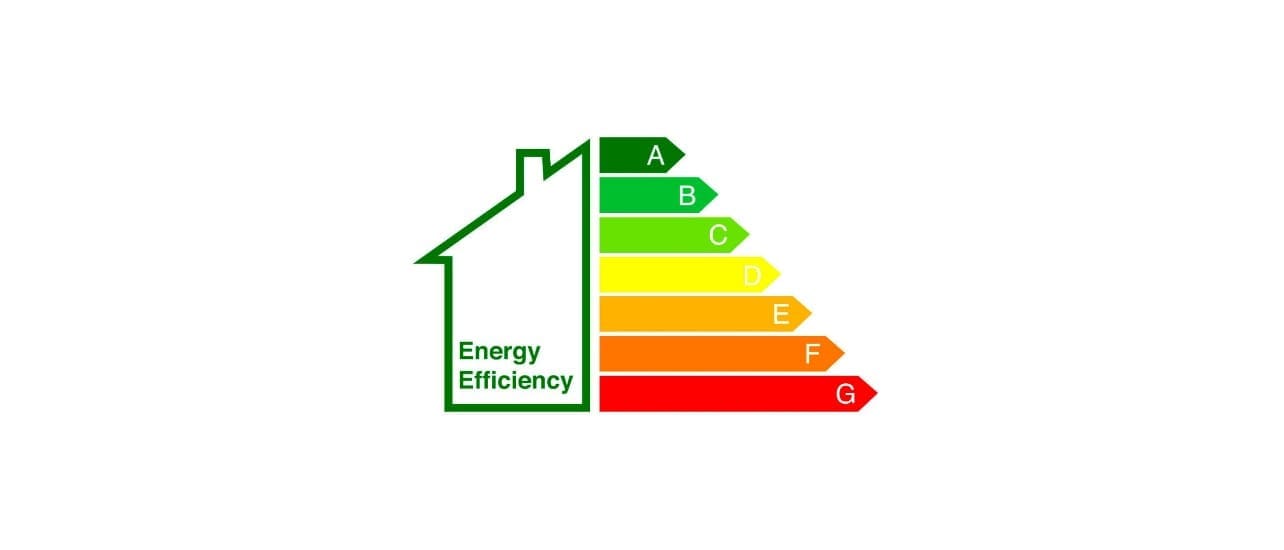
An Energy Performance Certificate assesses how energy efficient a property is under standardised conditions. It gives the home a rating from A, the most efficient, to G, the least efficient.
The assessment considers elements such as the property’s orientation, construction, thermal envelope, insulation, windows, heating, cooling, ventilation, hot-water systems and any renewable-energy installations.
For sellers, the EPC forms part of the practical compliance file needed to place a property on the market. For landlords, it is part of the documentation that should be available when renting a home. For buyers, it provides an initial indication of likely energy performance, although it should always be considered alongside the property’s age, condition, improvements and actual running costs.
The certificate contains more than the headline letter. It records the property’s estimated energy consumption, carbon dioxide emissions and recommendations for possible improvements. In luxury homes, villas and older properties, these recommendations may identify ways to improve comfort as well as energy efficiency.
For Sellers
The EPC should be organised before marketing begins, so the rating can be included in listings and shared during the sales process.
For Landlords
Rental properties generally need a valid EPC as part of wider landlord compliance, whether the home is rented long-term or used for holiday letting.
For Buyers
The rating can help buyers understand energy performance, but it should be read together with inspection findings, energy bills and the property’s wider condition.
How to Read an EPC Rating
The familiar A–G scale provides a quick visual summary. An A-rated property performs very efficiently under the assessment methodology, while a G-rated property performs much less efficiently. However, the letter alone does not tell the whole story.
The energy label normally presents two principal indicators:
Energy Consumption
This estimates the property’s annual consumption of non-renewable primary energy. It is normally expressed in kilowatt-hours per square metre per year, shown as kWh/m² per year.
CO₂ Emissions
This estimates the carbon dioxide emissions associated with the property’s calculated energy use. It is normally expressed as kilograms of CO₂ per square metre per year.
The figures use standardised assumptions so that properties can be compared consistently. Therefore, an EPC is not a prediction of the exact electricity bill a future owner will receive.
Actual running costs will depend on factors such as the number of occupants, thermostat settings, how often air conditioning is used, whether the property is occupied throughout the year and the energy required for swimming pools, irrigation, outdoor lighting or other equipment not fully reflected in the headline rating.
Useful distinction: An EPC provides a standardised assessment for comparison and legal compliance. It is not a structural survey, a guarantee of future energy bills or a detailed energy audit.
When Is an EPC Needed?
In practical terms, a valid EPC should be in place before a property is actively advertised for sale or rent. This applies to most residential properties, including apartments, townhouses, villas and country homes.
The energy-efficiency information must be included in relevant sale or rental advertising. This applies to marketing through estate agencies, property portals, websites, catalogues, press advertising and similar channels.
For Benahavís sellers, the safest approach is to arrange the EPC before photography and launch. This keeps the listing compliant and gives lawyers or agents the information they need when a buyer begins due diligence.
When an existing property is sold, a copy of the properly registered certificate and its energy label should be attached to the sale contract. For a rental, the applicable energy label and user recommendations should be supplied in accordance with the current requirements.
The property owner or developer is responsible for commissioning the EPC, keeping the relevant documentation and arranging its renewal or update when required. Although an agent or authorised representative may help coordinate the process, the underlying responsibility remains with the owner or developer.
For landlords, the EPC should be treated as part of the wider rental compliance file, alongside any licence, registration, insurance, safety or community documentation that may apply to the property.
Practical note: If you plan to sell or rent a Benahavís property soon, arrange the EPC early. It is usually quick to obtain, but it is much easier to handle before marketing than during a negotiation.
How Much Does an EPC Cost in Benahavís?
EPC prices vary depending on the company, property size, access, urgency and whether registration is included in the quoted price. As a practical guide, the following indicative prices are a realistic starting point for residential EPC inspections in Benahavís and nearby areas.
Guide EPC Inspection Prices
| Property Size | Guide Price |
|---|---|
| Up to 100 m² | €125 + IVA |
| 100 m² – 200 m² | €165 + IVA |
| 200 m² – 300 m² | €195 + IVA |
| 300 m² – 400 m² | €245 + IVA |
| 400 m² – 500 m² | €295 + IVA |
| Up to 600 m² | €350 + IVA |
These are guide prices only. Larger villas, complex properties, difficult access, urgent appointments or properties requiring additional review may cost more. Always confirm the final quote and whether registration is included before booking.
For many apartments and townhouses, the EPC cost is modest in the context of preparing a property for sale. Larger villas and estates can cost more because the inspection takes longer and the property may include multiple systems, extensions, levels or technical features.
Once the property has been inspected, certificates are often issued within a few working days. However, timing depends on the technician, access, supporting documentation and registration process.
→ Book an EPC inspection through us
How Long Is an EPC Valid?
In Spain, an EPC is generally valid for a maximum of 10 years. However, certificates with a G rating have a shorter maximum validity period of five years. Owners should check the exact expiry date shown on the registered certificate.
The owner is responsible for arranging renewal or an appropriate update. An owner may also choose to update the certificate before it expires if changes to the property could affect its energy rating.
If a home has been substantially renovated or improved since the previous certificate was issued, obtaining a new EPC before sale or rental marketing may allow the property’s current condition to be presented more accurately. This may be worthwhile after improvements to glazing, insulation, heating, cooling, hot-water production or renewable-energy systems.
For sellers, this is particularly relevant when an older certificate no longer reflects the home’s present condition. Buyers increasingly ask about energy performance, comfort and running costs, especially when considering larger villas and second homes intended for year-round use.
What Happens During the EPC Inspection?
The inspection is usually straightforward. A competent technician visits the property, takes measurements, records its building characteristics, checks relevant systems and gathers the information needed to calculate the energy rating.
Spanish EPC rules require the technician to make at least one physical visit to the property. This visit must take place no more than three months before the certificate is issued so that the technician can complete the necessary data collection, checks and assessments.
The inspection may include reviewing windows, walls, roof or ceiling areas, heating and cooling systems, hot-water production, solar panels, orientation, shading, insulation and general construction features.
Before the Visit
Make sure the technician can access all rooms, terraces, utility areas, plant rooms and any relevant heating, cooling or hot-water equipment.
Useful Documents
Previous EPCs, plans, renovation invoices, technical documents, solar-panel details and system specifications can help the technician assess the property accurately.
After the Visit
The technician calculates the rating and prepares the certificate. It must then be registered with the competent authority before it has legal validity and can be used for compliant marketing.
How Can You Improve an EPC Rating?
The recommendations included in an EPC can help owners understand where energy performance might be improved. These recommendations do not normally mean that the owner must carry out the suggested work before selling or renting the property.
Instead, they identify technically viable measures that may reduce energy demand, lower calculated emissions or improve the efficiency of the property’s systems. The certificate may also include indicative information about potential savings, costs or investment recovery periods.
The most suitable improvements depend on the property’s age, construction, orientation, existing equipment and intended use. Measures that may be particularly relevant to homes in Benahavís include:
Insulation & Glazing
Improving roof, wall or floor insulation and replacing inefficient windows with suitable double or low-emissivity glazing can reduce unwanted heat transfer and improve year-round comfort.
Solar Control
External shutters, awnings, pergolas and carefully positioned shading can help control summer solar gain without removing the natural light and views that make many Benahavís homes attractive.
Heating & Cooling
Replacing older systems with efficient heat pumps or modern air-conditioning equipment may improve performance. Zoned controls and smart thermostats can also reduce unnecessary energy use.
Hot Water
Efficient hot-water production, insulated distribution pipes and appropriately sized equipment can make a meaningful difference, particularly in larger villas with several bathrooms.
Renewable Energy
Photovoltaic panels, solar hot-water systems and other suitable renewable technologies may reduce reliance on non-renewable energy and support a stronger overall rating.
Controls & Lighting
LED lighting, timers, occupancy sensors, automated blinds and intelligent energy controls can complement larger improvements and make energy use easier to manage.
Before investing: Ask a suitably qualified professional which improvements are appropriate for the property. The measure that produces the greatest improvement in one home may offer limited benefit in another.
EPCs for Rentals and Holiday Lets
If you plan to rent your property, the EPC forms part of your wider compliance position. Long-term tenants should receive the relevant EPC information, and holiday-let owners should ensure that the certificate and rating are available wherever required for registration, advertising or property documentation.
For owners planning to use a property as a tourist rental, the EPC should sit alongside other practical requirements such as registration, property details, safety equipment, insurance, community rules and local regulations. These areas should be reviewed before relying on rental income in a purchase decision.
The EPC alone does not make a property legally rentable. It is one part of a wider compliance picture, particularly for owners considering short-term letting, managed rentals or investment use.
Important: Holiday letting is subject to community statutes, local rules and Junta de Andalucía requirements. Always confirm the full rental position before buying or advertising a property as a rental investment.
Other Property Compliance Checks
The EPC is important, but it is only one document in the wider property compliance file. When preparing a property for sale or rental, owners should also check the documents that buyers, lawyers, agents or tenants may ask to see.
For a sale, these may include the title deeds, Nota Simple, IBI receipts, community-fee certificate, licences, plans, utility bills and confirmation of any extensions or renovations. For rentals, the focus may also include registration, safety equipment, insurance and community rules.
First Occupation Licence
Buyers and lawyers may ask to confirm the Licencia de Primera Ocupación or equivalent occupancy documentation, especially for villas and newer homes.
Utility Certificates
Electrical or plumbing documentation may be relevant where contracts are being changed, systems have been upgraded or an older property requires additional checks.
Rental Safety Items
Holiday rental properties may need fire extinguishers, smoke detectors, first-aid provision, complaint forms and other practical compliance items.
Why the EPC Matters When Selling in Benahavís
For many buyers, the EPC will not be the deciding factor. Location, views, architecture, privacy, condition and price will usually carry more weight. Even so, energy performance is becoming more visible in property conversations, particularly for newer homes, renovated villas and buyers comparing long-term ownership costs.
A strong EPC rating can support the wider story of a modern, efficient or recently upgraded home. A weaker rating does not prevent a sale, but it may invite questions about insulation, glazing, air conditioning, underfloor heating, solar panels, heat pumps, humidity, summer cooling costs and winter comfort.
Rather than relying on the letter rating alone, buyers should consider the entire certificate, the technician’s recommendations, recent energy bills and any improvements completed since the assessment.
Handled properly, the EPC becomes part of a professional sales file. It shows that the owner has prepared the property correctly and helps prevent a relatively simple compliance matter from becoming an unnecessary obstacle during negotiation.
Energy Certificate FAQs
Who is responsible for obtaining the EPC?
The property owner or developer is responsible for commissioning the certificate, retaining the documentation and arranging renewal or an update when required. An agent or authorised representative may help coordinate the inspection and registration.
Does a low EPC rating prevent a property from being sold or rented?
A low rating does not normally prevent a sale or rental. However, the property must have the required valid certificate, the rating must be represented correctly in advertising and the relevant documentation must be supplied during the transaction.
Must the recommended improvements be completed?
The improvement recommendations included in an EPC do not normally oblige the owner to undertake the work before selling or renting. They provide guidance on technically viable measures that could improve efficiency, comfort or calculated emissions.
Can an EPC be updated after renovation?
Yes. An owner may voluntarily obtain an updated EPC when renovations or new systems could change the property’s energy performance. This may be worthwhile after substantial improvements to insulation, windows, heating, cooling, hot water or renewable-energy installations.
Does the EPC predict the property’s electricity bills?
No. The certificate uses standardised assumptions to assess and compare energy performance. Actual bills depend on occupancy, energy tariffs, thermostat settings, usage patterns, pool equipment and how frequently the property is occupied.
Is an EPC valid without registration?
No. The completed certificate must be properly registered with the competent authority before it has legal validity. When requesting a quote, confirm whether the technician’s fee includes the registration process and final registered documentation.
Preparing to Sell or Rent?
Darren & Angelina — your Personal Property Concierge — can arrange EPC inspections, help you understand which documents buyers or tenants may ask for, and support you in preparing your Benahavís property for market.
We can also help review whether your property presentation, compliance file and marketing strategy are ready before launch.
Helpful Related Guides
Selling Costs & Taxes
Understand the main costs, taxes and practical deductions when selling property in Benahavís and Andalucía.
Property Taxes in Benahavís
Review buying, owning and selling taxes, including ITP, IVA, AJD, IBI, Basura and non-resident tax.
Property Finder
Ask Darren and Angelina for tailored guidance on buying, selling or preparing a property in Benahavís.
Looking for a home outside Benahavís? Holiday Homes Spain covers the whole Costa del Sol.