Christmas on the Costa del Sol
A festive guide to Christmas, New Year and Three Kings on the Costa del Sol — from Málaga lights and village traditions to Marbella dining and Benahavís winter life.
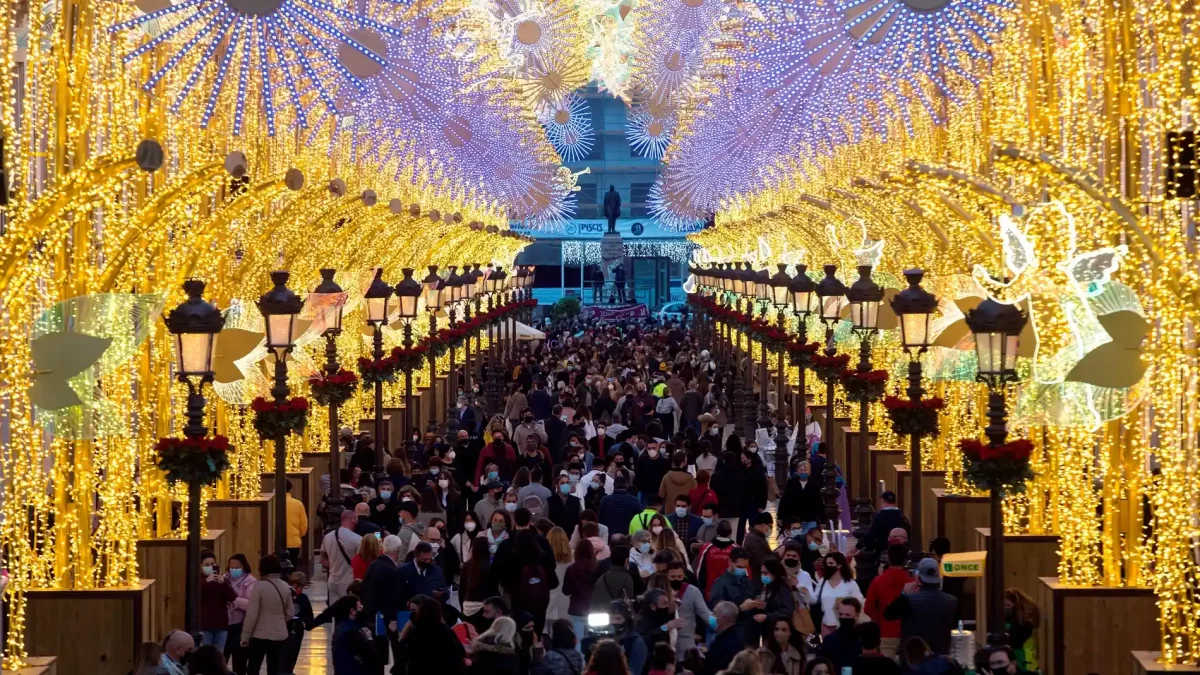
Discover a warmer kind of festive season: Mediterranean light, Andalusian tradition, village celebrations, coastal dining and the magic of Three Kings.
This Christmas on the Costa del Sol guide brings together the main festive traditions from Benahavís to Marbella, Málaga and the wider coast, with a particular focus on how the season feels for residents, holiday homeowners and families spending winter in southern Spain.
The festive season on the Costa del Sol is a unique blend of Mediterranean sunshine, Andalusian tradition and warm, community-driven celebration. December through early January is one of the most atmospheric times to live or spend time in Benahavís, Marbella and the wider Costa del Sol, with lights, music, outdoor markets, family gatherings and cherished Spanish customs filling the calendar.
While northern Europe settles into colder winter days, the Costa del Sol often offers blue skies, alfresco lunches, mountain views and a festive atmosphere that stretches from late November or early December through to Three Kings in January. Exact dates, times and event programmes change each year, so it is always sensible to check official town hall and tourism sources before making firm plans.
At a Glance: The Festive Season on the Costa del Sol
The Costa del Sol festive calendar usually unfolds in three distinct stages. First come the Christmas lights, markets, concerts and family events from late November into December. Then New Year brings dinners, fireworks, grapes at midnight and coastal celebrations. Finally, early January belongs to Los Reyes Magos — the Three Kings — with parades, sweets, gifts and one of Spain’s most beloved family traditions.
For visitors and new residents, the main thing to understand is that Christmas Day is only one part of the season. In Spain, Three Kings on 5 and 6 January often feels just as important, especially for children and families.
Christmas on the Costa del Sol
Christmas in Spain is joyful, social and deeply traditional. From the beginning of December, towns and coastal cities illuminate their streets with elaborate light displays. Málaga’s Calle Larios is one of the best-known Christmas light experiences in Spain, while Marbella Old Town, Estepona and Benahavís each bring a more local rhythm to the season.
The atmosphere feels both cosy and lively. Families gather for tapas in decorated plazas, children enjoy festive workshops, and the smell of roasted almonds, churros and hot chocolate mixes with the sea air. For international families, the season blends familiar holiday touches with something distinctly Andalusian: outdoor terraces, blue winter skies and a calendar that continues well into January.
Typical Christmas on the Costa del Sol experiences include festive lights in Málaga, Marbella and Estepona, traditional belenes or nativity scenes, concerts in churches and cultural centres, Christmas markets, family lunches and winter day trips into the mountains. On clear days, it is possible to enjoy a beach walk in the morning and see snow on distant peaks later the same day.
For official seasonal ideas in Málaga, the city’s tourism site usually publishes Christmas guidance and event information. You can check Visita Málaga’s Christmas guide for the latest city information.
Local tip: Christmas Eve, or Nochebuena, is the main family celebration night in Spain. Many restaurants close early or operate special menus, so book well ahead if you plan to dine out.
New Year on the Costa del Sol
New Year’s Eve, or Nochevieja, is lively, sociable and often surprisingly varied. Some people choose a glamorous hotel dinner in Marbella or along the coast. Others prefer a village celebration, a beachfront meal, a private party at home or a late-night gathering in a town square.
The most famous Spanish tradition is the 12 uvas de la suerte, or 12 grapes of luck. At midnight, one grape is eaten with each chime of the clock. It is a simple ritual, but it gives the final seconds of the year a distinctly Spanish feeling — part celebration, part theatre, and part good-humoured challenge.
Along the Costa del Sol, New Year often combines dinner, music, fireworks and late-night dancing. Marbella, Málaga and Estepona usually offer larger-scale events, while Benahavís tends to feel more intimate and community-led. Families can often find earlier activities or relaxed local celebrations, while adults looking for a more formal evening may prefer hotels, restaurants or beach clubs with special menus.
For those staying in Benahavís, New Year has a particular charm. The village is close enough to Marbella and the coast for a special evening out, yet far enough into the hills to offer a calmer, more residential festive atmosphere.
Three Kings on the Costa del Sol
While Christmas Day is important, the most cherished festive celebration in Spain often takes place on 5 and 6 January. Three Kings, or Los Reyes Magos, commemorates the arrival of the Three Wise Men bringing gifts, and it remains the moment many Spanish children look forward to most.
On the evening of 5 January, towns across the Costa del Sol usually host cabalgatas, or Three Kings parades. The Kings — Melchior, Gaspar and Balthazar — travel through the streets on floats, accompanied by music, performers, dancers and sweets thrown to the crowds. Málaga hosts one of the largest city parades, while Marbella, Estepona and Benahavís each offer their own versions with a more local feel.
On 6 January, Día de Reyes, families gather for gifts, visits and festive food. The traditional sweet is Roscón de Reyes, a ring-shaped pastry often decorated with candied fruit and hiding small surprises inside. For international residents, this can be one of the most memorable parts of living in Spain: the season does not fade immediately after New Year, but builds towards one final family celebration.
Because parade routes and times vary each year, check the latest official programmes before travelling. Málaga’s tourism office usually publishes Three Kings details, while Marbella Town Hall and local ayuntamientos issue annual festive programmes. You can start with Visita Málaga’s Three Kings information and the Marbella Town Hall website.
Christmas in Benahavís
Benahavís offers a softer, more village-led version of the festive season. The lights are smaller than Málaga’s, the streets are quieter than Marbella’s, and the mood is more intimate. For residents, that is exactly the appeal.
In December, the village takes on a warm seasonal feel, with decorations, family activities, local dining and community gatherings. Restaurants become an important part of the Christmas rhythm, especially for long lunches, group meals and visiting family. The surrounding mountains, clear winter light and whitewashed streets make Benahavís feel particularly atmospheric at this time of year.
For families, the Three Kings period is often the most charming. Local celebrations may be smaller than the large city parades, but they are easier to manage with children and often feel more personal. For holiday homeowners and newcomers, this is one of the easiest times to understand the difference between simply visiting the Costa del Sol and becoming part of a local community.
Benahavís also works well as a winter base because it sits between several festive worlds. Málaga offers the big-city lights, Marbella brings Old Town charm and coastal dining, Estepona has its own family-friendly atmosphere, and the village itself offers peace, mountain air and a slower festive pace.
Winter Lifestyle During Christmas on the Costa del Sol
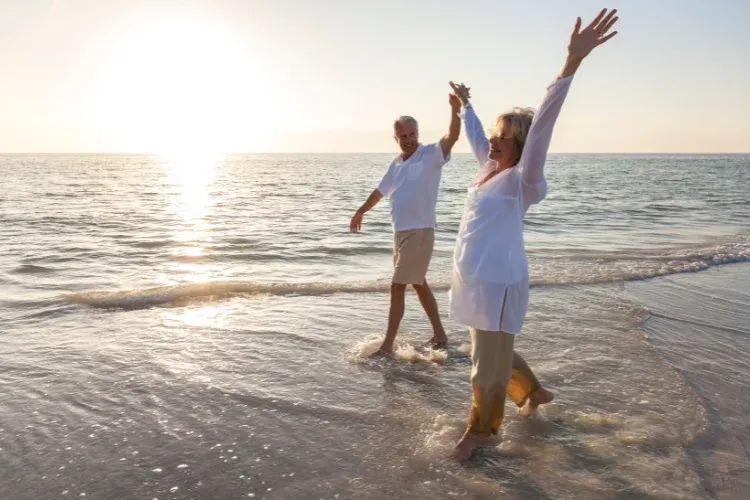
One of the great joys of Christmas on the Costa del Sol is the climate. Winter feels lighter here. Even when evenings are cool, daytime can still allow for beach walks, lunches outside, golf, hiking or a quiet coffee in the sun.
For many families and second-home owners, this changes the emotional feel of Christmas. Instead of a season defined by darkness and indoor routines, December and January become months of open-air living. You might spend one day walking along the coast, another exploring Málaga’s lights, another dining in Benahavís, and another driving inland towards Ronda or Granada.
The combination of festive tradition and Mediterranean outdoor life makes the season especially appealing for those considering a more permanent move. It shows the Costa del Sol at its most liveable: connected, social, warm in spirit and still calm enough to feel like home.
Planning a Festive Stay or Winter Property Visit
Christmas and New Year can be a useful time to experience the Costa del Sol beyond the summer holiday version. You see how towns feel in winter, which restaurants stay active, how the roads and services function, and whether a location still feels alive outside the peak season.
For property buyers, this is valuable. A home that feels right in August may not always suit year-round living. Winter reveals the practical side of a location: access to shops, sunlight, heating, terraces, parking, community atmosphere and the ease of reaching Marbella, Málaga Airport or nearby schools and healthcare.
If you are planning a viewing trip during the festive period, allow extra time. Restaurants, lawyers, town halls and service providers may have reduced hours around Christmas, New Year and Three Kings. However, the quieter atmosphere can also make it easier to sense how life here really feels.
Considering a Winter Move to Benahavís?
Darren & Angelina — your Personal Property Concierge — can help you compare areas, plan winter viewings and understand which communities work well beyond the summer season.
Final Thoughts
Christmas, New Year and Three Kings on the Costa del Sol offer something more layered than a simple winter escape. The season combines Spanish family tradition, international community life, festive dining, city lights, village celebrations and the everyday pleasure of being outside in winter.
For Benahavís residents and holiday homeowners, the festive period captures much of what makes this part of southern Spain so appealing. It is refined without being formal, lively without feeling overwhelming, and deeply connected to both local tradition and Mediterranean ease.
For many families, Christmas on the Costa del Sol is not just a holiday period — it is a glimpse of a different way to live.
FAQs
Is Christmas a good time to visit the Costa del Sol?
Yes. Christmas is a lovely time to visit if you enjoy milder weather, festive lights, local traditions and a calmer atmosphere than summer. Málaga, Marbella, Estepona and Benahavís all offer different versions of the season.
Where are the best Christmas lights on the Costa del Sol?
Málaga’s Calle Larios is the best-known Christmas light display, but Marbella Old Town, Estepona and local villages such as Benahavís also have their own festive decorations and seasonal atmosphere.
What happens on Three Kings Day in Spain?
Three Kings is one of Spain’s most important festive celebrations. Parades usually take place on 5 January, and families celebrate with gifts and Roscón de Reyes on 6 January. Exact parade times vary by town each year.
Is Benahavís lively at Christmas?
Benahavís is more intimate than Málaga or Marbella, but that is part of its charm. The village offers festive dining, decorations, family activities and a quieter local atmosphere, while larger coastal celebrations remain within easy reach.
Related Reading
What’s On in Benahavís
Follow seasonal events, concerts, markets, local celebrations and monthly highlights across Benahavís and nearby areas.
Dining & Restaurants in Benahavís
Explore village classics, festive dining, relaxed terraces and refined restaurants in and around Benahavís.
Outdoor and Wellness in Benahavís
Discover the walking routes, wellness routines, outdoor activities and year-round lifestyle that make winter here so appealing.
Have a Question About Benahavís?
Darren & Angelina — your Personal Property Concierge — can help with property, relocation, lifestyle and area questions across Benahavís. Send us a short message and we’ll point you in the right direction.
Looking for a home outside Benahavís?
Holiday Homes Spain
covers the whole Costa del Sol.