Travelling With Pets Between Spain and the UK
A 2026 guide to pet passports, Animal Health Certificates, rabies rules, tapeworm treatment and practical travel planning for owners moving between Spain and the UK.

Travelling with pets between Spain and UK has become a more considered process since Brexit, particularly for owners who divide life between Britain and the Costa del Sol. For many people drawn to southern Spain, pets are part of the family story — there for mornings in Marbella, walks above Benahavís and the slower Mediterranean rhythm that often turns a second home into something more permanent.
That is why changes to pet travel rules can feel unexpectedly personal. The process remains manageable, but it now asks for more planning and a clearer understanding of how residency, documentation, veterinary timing and border procedures fit together.
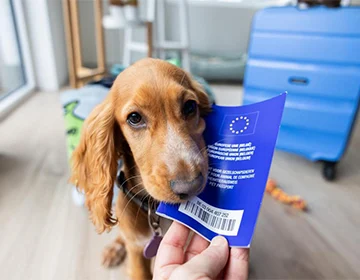
For residents in Spain with a valid Spanish-issued EU pet passport, travel can still be relatively straightforward if the pet is properly microchipped and rabies vaccinations remain up to date. The important difference in 2026 is for owners living in England, Scotland or Wales: from 22 April 2026, they cannot use a pet passport to travel from Great Britain to the EU, even if that passport was issued in an EU country. They need an Animal Health Certificate for each trip.
For British second-home owners especially, this is a significant clarification. The old assumptions — that holiday-home ownership might make an EU pet passport usable, or that arrangements could be interpreted flexibly — have narrowed. In practice, many GB-based owners now need to plan around the Animal Health Certificate system whenever travelling with dogs, cats or ferrets from Great Britain into Spain.
Pet Passports and Animal Health Certificates in 2026
Most issues arise not because the pet travel system is especially difficult, but because owners rely on outdated advice or leave paperwork too late. With increasingly formal border controls, animal documentation and owner residency status now sit under greater scrutiny than many travellers realise.
If you live in Spain and your dog, cat or ferret has a valid EU pet passport issued by an authorised vet, that passport can usually remain the main document for EU travel, provided the microchip and rabies vaccination details are correct and up to date. This is the simpler scenario for Spanish residents who genuinely live here and keep their pet’s passport properly maintained.
If you live in England, Scotland or Wales and travel to Spain with your pet, the position is different. You should expect to obtain an Animal Health Certificate from an Official Veterinarian before each trip to the EU. This certificate must be arranged before travel, and timing matters. Pet owners should always check the latest UK Government guidance before booking, especially if travelling by ferry, LeShuttle or through another approved route.
For frequent travellers, the best way to think about pet paperwork is to make it part of trip preparation itself — much like checking passport validity, travel insurance, residency documents or car paperwork. Owners who regularly cross between Spain and the UK often factor veterinary appointments, certificate costs and timing windows into the wider economics of owning abroad.
For official UK guidance, start with GOV.UK guidance on taking pets abroad.
Travelling From the UK to Spain With a Dog, Cat or Ferret
For GB-based owners travelling to Spain, the usual foundation is simple: the pet must be microchipped, have a valid rabies vaccination and travel with the correct documentation. In 2026, for owners resident in England, Scotland or Wales, that normally means an Animal Health Certificate rather than a pet passport.
The Animal Health Certificate must be issued by an Official Veterinarian and is linked to a specific trip. Owners should not leave this until the final days without checking appointment availability. Some veterinary practices are very familiar with AHCs, while others may need more notice.
Spain does not normally require dogs to have tapeworm treatment before entering from Great Britain. However, rabies timing, microchip order, documentation accuracy and route requirements still matter. A small paperwork error can become stressful at the border, especially when travelling with children, luggage and a long onward drive.
If you are flying, check the airline and airport rules carefully. Some routes carry pets in the hold, some allow smaller pets in the cabin, and others may not accept pets at all. If you are travelling by car through France, remember that you must also comply with EU entry requirements at the first point of entry, not simply when you reach Spain.
Simple planning rule
Before booking your crossing or flight, confirm your pet’s microchip, rabies vaccination date, AHC appointment, travel route and return-to-UK tapeworm timing if you are travelling with a dog.
Travelling From Spain to the UK With Pets
Returning from Spain to Great Britain has its own rules. Dogs, cats and ferrets must travel with acceptable documentation, and dogs usually need tapeworm treatment before arriving in Great Britain.
For dogs travelling from Spain to Great Britain, a vet must administer tapeworm treatment within the required time window before arrival and record it correctly in the travel document. This is one of the most common points owners overlook, especially when the outbound journey went smoothly and the return feels more familiar.
Because Spain is not one of the tapeworm-exempt countries for entry into Great Britain, dog owners should build a vet appointment into the return journey. If you are travelling by car, many owners arrange this in Spain before departure or along the route, depending on timing.
For pets travelling with an EU pet passport issued in Spain, the passport must be properly completed and rabies vaccination details must be valid. For GB-based pets travelling on an Animal Health Certificate, check that the certificate remains valid for re-entry into Great Britain and that any required dog tapeworm treatment has been correctly recorded.
For official return guidance, see GOV.UK guidance on bringing pets to Great Britain.
Why Residency Status Now Matters More
One of the biggest post-Brexit misunderstandings has been around EU pet passports. Many British owners discovered that vets in some EU countries could issue pet passports, and for a while this appeared to offer a cheaper or easier route than obtaining an Animal Health Certificate for every trip.
The position has now become clearer. The relevant question is not simply whether a pet passport was issued in the EU, but whether the owner and pet are genuinely resident there. For owners living in England, Scotland or Wales, an EU-issued pet passport should not be relied upon for travel from Great Britain to the EU after the 2026 clarification.
For Spanish residents, the position is more straightforward. A valid EU pet passport issued in Spain can still be a valuable document for travel, provided the pet’s vaccination record and ownership details are correctly maintained. For second-home owners, the distinction between owning property and being resident is important. Property ownership alone does not automatically make the owner resident for pet travel purposes.
This is why pet travel now sits alongside wider residency planning. If you are moving permanently, the practical question is not only how to bring your pet into Spain, but how your animal’s documentation will work once you live here. Our guide to bringing pets to Spain explores that relocation process in more detail.
Travelling With Pets From Other Non-EU Countries
Although this guide focuses on travelling with pets between Spain and the UK, much of the practical thinking also applies to owners arriving from other non-EU countries, including the United States, Canada and many international destinations.
The foundations remain similar: microchipping, rabies compliance, veterinary certification and route-specific entry rules. However, the precise paperwork can differ depending on the country of departure, whether the country is listed or unlisted for rabies purposes, and whether the movement is commercial or non-commercial.
Owners arriving from outside Europe should check both EU rules and their own country’s export procedures before travel. For example, U.S. owners normally need veterinary certification endorsed through the correct official channel before travelling to Spain with a pet.
These details are best understood as requirements to verify before travel, rather than barriers to travel itself. People continue moving pets into Spain every day. They simply do so with careful timing and the correct documents.
For broader international relocation planning, our Costa del Sol Relocation Guide covers practical aspects of settling into life in southern Spain.
Living With Pets in Benahavís and Marbella
For those relocating more permanently to Spain, the conversation often extends beyond paperwork altogether. Buyers increasingly ask not simply how to bring pets, but how well a place supports living with them.
This is where Benahavís can be especially appealing. The municipality offers countryside access, quieter roads, gated communities, walking routes, gardens, terraces and a slower outdoor rhythm that suits many dogs and their owners. Marbella and Estepona add veterinary services, grooming, pet shops, beach walks and a wider network of animal care options.
For some buyers, pet-friendly living becomes part of the property brief. A ground-floor apartment with garden access may suit one owner better than a penthouse. A villa with secure boundaries may matter more than an extra bedroom. A community with good walking access may feel far more practical than one where every outing requires a car.
That lifestyle dimension is why many buyers are drawn to communities where green space, walking routes and pet-friendly amenities form part of everyday life. We explore this more fully in our feature on pet-friendly living in Benahavís and Marbella.
Final Thoughts on Travelling With Pets Between Spain and UK
The broader picture is reassuring. People continue travelling with pets between Spain and the UK every day. The process has not become impossible; it has become more formal and less spontaneous.
For GB-based owners, the key 2026 point is clear: do not assume an EU pet passport can replace an Animal Health Certificate if you live in England, Scotland or Wales. For Spanish residents, keep the EU pet passport properly updated and make sure rabies vaccinations are entered correctly by an authorised EU vet.
For dog owners returning to Great Britain from Spain, remember the tapeworm treatment requirement and build the vet appointment into your journey. For all owners, check the official guidance before travel, because the rules can change and carriers may have their own requirements.
Travelling well with animals has not become difficult — only more considered. Much like international living itself, it rewards preparation, good advice and calm organisation.
This guide is for general information only and does not constitute legal, veterinary or border-control advice. Pet travel rules, carrier policies and documentation requirements may change. Always check official UK, EU and Spanish guidance, and speak to your vet before travelling.
Related Reading
Bringing Pets to Spain
Understand the practical relocation process for dogs and cats, including paperwork, travel planning and settling pets into Spanish life.
Pet-Friendly Living in Benahavís and Marbella
Explore communities, property features, outdoor routines and local services that make life easier for pet owners.
Buying a Pet in Spain
A responsible guide to buying or adopting a pet in Spain, including legal, welfare and practical considerations.
Planning a Pet-Friendly Move to Benahavís?
Darren & Angelina — your Personal Property Concierge — can help you compare homes, communities and areas that work well for life with pets, from secure gardens and walking routes to nearby veterinary care and everyday practicality.
Looking for a home outside Benahavís?
Holiday Homes Spain
covers the whole Costa del Sol.