Buying a Pet in Spain: 7 Things New Residents Should Know
A thoughtful guide to adoption, registered breeders, animal welfare rules and choosing a pet that genuinely suits life in southern Spain.
For many people moving to Spain, getting a dog or cat often comes later. It begins not as a fixed plan, but as a possibility.
Perhaps it happens after settling into a house with a garden. Perhaps after discovering the walking trails around Benahavís, or noticing how naturally dogs seem woven into daily life here — accompanying owners to cafés, village squares and beach promenades with an ease that can feel refreshingly Mediterranean.
And then the question arises. If you are thinking about buying a pet in Spain, should you adopt, contact a registered breeder, or speak to a local pet business for guidance? What are the rules, and what should new residents understand before making a decision?
As with much in Spain, the answer lies partly in law and partly in culture. Both matter. The process is not difficult, but it does reward thoughtful planning, especially if you are new to the country and still learning how animal welfare, registration and everyday pet ownership work here.
1. Adoption Is Often the Natural Starting Point
For many newcomers, adoption proves the most natural place to begin. Spain has an extensive rescue community and, particularly in Andalucía, many committed organisations work with abandoned, rescued and fostered animals.
There is something rather fitting about arriving in a new country and offering an animal a new beginning there as well.
Adoption is not simply the “kind” option. It can also be practical. Rescue organisations often know an animal’s temperament, health history, behaviour around children or other animals, and whether it may suit apartment life, a villa with garden space or a more active outdoor lifestyle.
For new residents still finding their rhythm, that guidance can be invaluable. The right match matters more than the idea of a particular breed or image.
2. Dogs, Cats and Ferrets Cannot Be Bought From Pet Shops
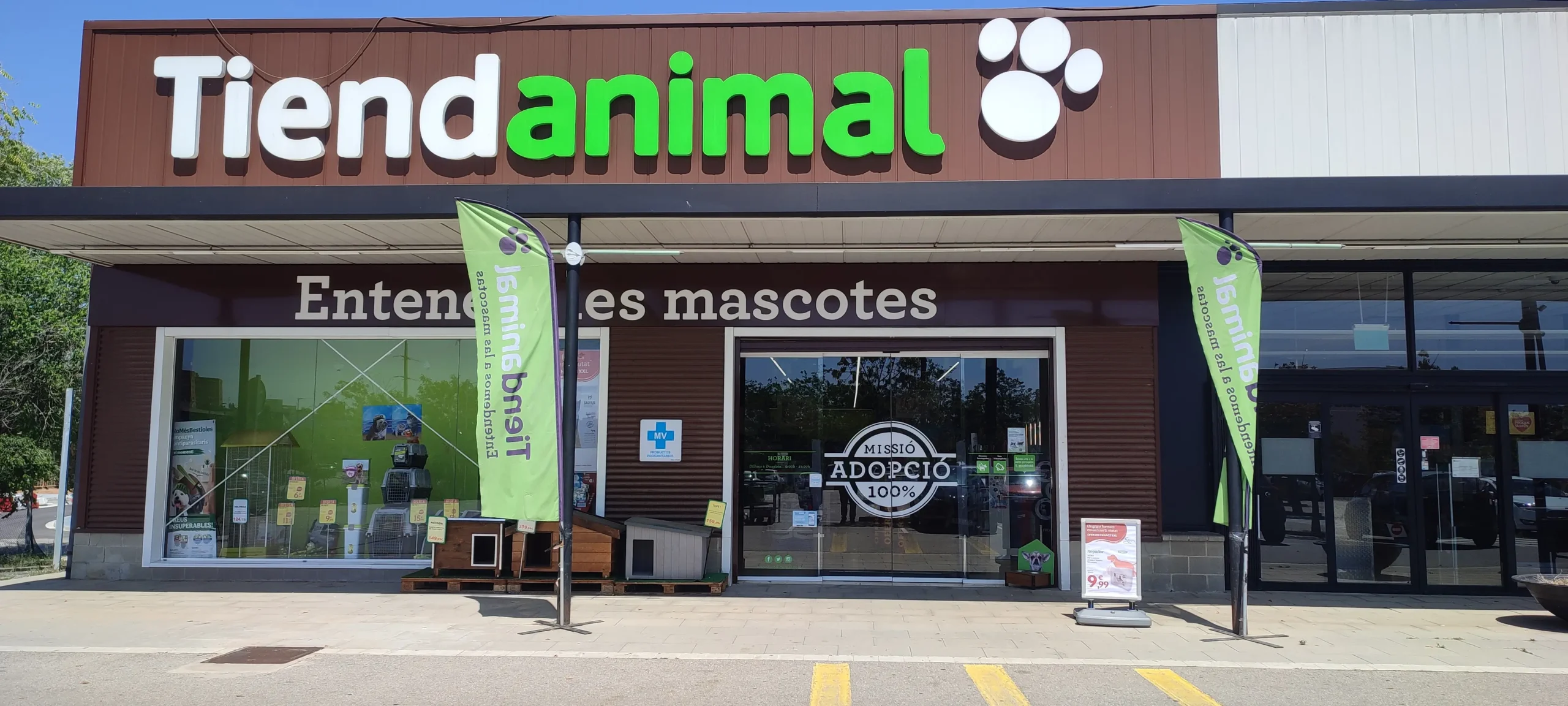
This is the most important update for anyone reading older advice. Under Spain’s animal welfare framework, dogs, cats and ferrets can no longer be sold or publicly displayed for commercial sale in pet shops. They must be acquired through registered breeders or adopted through authorised protection organisations.
That does not make pet shops irrelevant. Good local pet shops can still be extremely useful for supplies, food, bedding, leads, carriers, grooming products and practical advice. Some may also have relationships with rescue organisations or be able to point new residents towards responsible local options.
However, if you are looking for a dog, cat or ferret, the key route should be clear: adoption or a registered breeder. Avoid informal online adverts, cash-only arrangements, rushed meetings, vague paperwork or sellers who are reluctant to answer questions.
For official animal welfare legislation, you can review Spain’s Ley 7/2023 in the Boletín Oficial del Estado.
3. A Good Breeder Will Welcome Scrutiny
If adoption is not the right route for your circumstances, buying from a registered breeder may be appropriate. The principle is always the same: buy thoughtfully, ask questions and avoid anything that feels rushed or informal.
A responsible breeder will normally want to know about you as much as you want to know about the animal. They should be comfortable discussing health, temperament, lineage, early care, vaccination, microchipping and the conditions in which the animal has been raised.
They should not make you feel awkward for asking questions. In fact, a good breeder usually welcomes scrutiny because they care where the animal is going. Poor breeders tend to do the opposite. They avoid detail, rush decisions, minimise paperwork and focus on the sale rather than the welfare of the animal.
That alone tells you much.
4. Microchips, Registration and Veterinary Care Matter From the Start
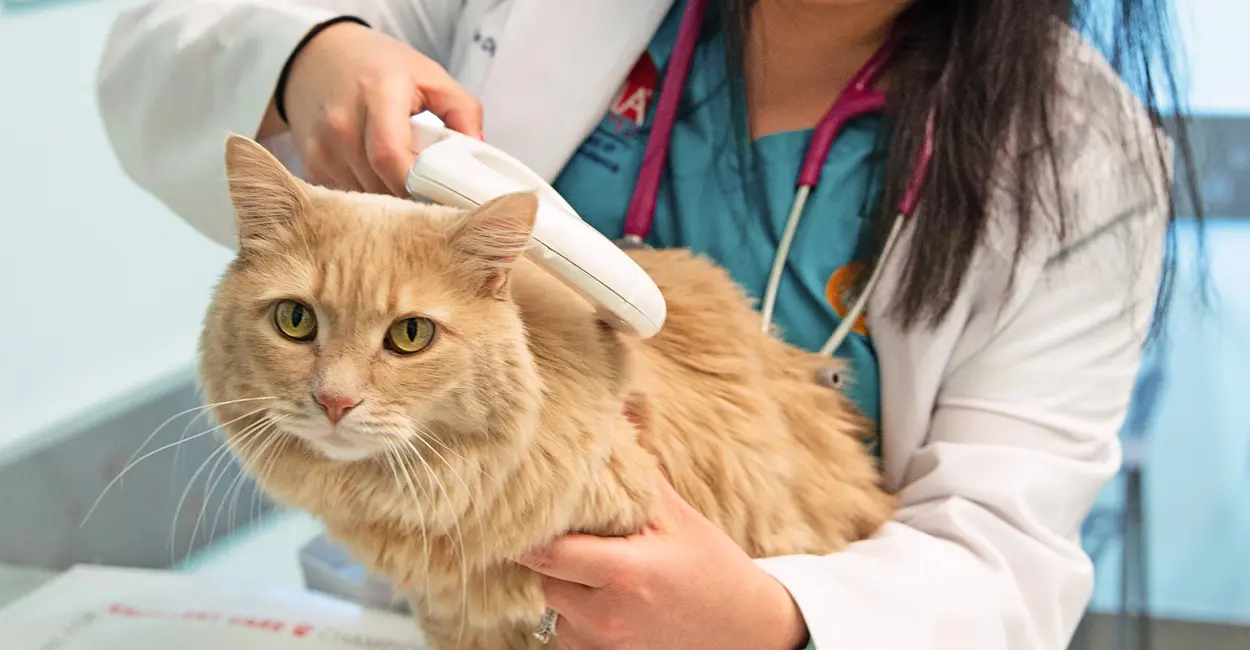
Pet ownership in Spain is more formal than some new arrivals expect. Microchipping, registration, veterinary records and vaccination schedules are not afterthoughts; they form part of responsible ownership.
Once you acquire a pet, speak to a local vet early. They can help confirm identification, registration, vaccination needs, parasite protection, sterilisation considerations and any regional or municipal requirements that apply where you live.
This is especially important if you plan to travel with your pet, move between Spain and another country, or eventually obtain an EU pet passport. A clean, well-maintained veterinary record makes life much easier later.
For owners bringing animals with them rather than acquiring a pet after arrival, our guide to bringing pets to Spain covers the relocation process in more detail.
5. Choose a Pet That Suits Southern Spain
Perhaps the more interesting question is not where to acquire a pet, but what kind of animal genuinely suits life here.
The Costa del Sol has a climate, rhythm and way of living all its own. A breed chosen for English countryside winters may not thrive in Andalusian summers. An energetic working dog may need more than apartment life near the coast can comfortably offer. A nervous rescue animal may need a calmer home environment than a busy family can provide at first.
These are lifestyle decisions as much as ownership decisions.
Often, the best choices are the least impulsive ones. A pet should suit the life you are building, not simply the image you have in mind. In Benahavís, that might mean choosing a dog that enjoys trails and outdoor routines. In Marbella, it may mean thinking more carefully about heat, traffic, terraces, lifts, promenades and seasonal beach rules.
6. Spain’s Climate Changes Daily Pet Routines
Southern Spain can be wonderful for animals, but it also asks owners to adapt. Summer heat changes the day. Walks move earlier in the morning or later in the evening. Shade, water, paw protection and access to cool indoor spaces become part of normal care.
This is not difficult once you are used to it. It is simply part of the Mediterranean rhythm. Many owners find they naturally adjust their own habits too: earlier walks, quieter afternoons and more time outdoors again as the light softens towards evening.
For many relocating families, a pet becomes part of how Spain begins to feel like home. Morning walks establish new routines. Familiar cafés become part of the week. Local vets, groomers and neighbours begin to form part of an everyday network.
For those exploring neighbourhoods that naturally suit life with dogs, our feature on pet-friendly living in Benahavís and Marbella may offer useful inspiration.
7. Buying a Pet in Spain Is a Long-Term Commitment
Spain’s animal welfare framework has evolved significantly in recent years, reflecting a broader cultural shift toward responsible ownership. For buyers arriving from abroad, it is worth understanding those expectations early.
A pet is not a lifestyle accessory, and it is not something to add impulsively once the weather, house and outdoor cafés begin to make the idea feel romantic. It is a long-term commitment involving care, registration, veterinary costs, travel planning, summer routines and proper arrangements if you spend time outside Spain.
But approached thoughtfully, it can also be one of the most rewarding parts of settling here. Animals often help new residents discover their neighbourhoods properly. They create routines, conversations and local connections that might otherwise take longer to form.
Perhaps that is where responsible ownership starts: not with the purchase itself, but with a clear view of the life you are building and whether you can offer an animal a stable, suitable place within it.
Planning a Pet-Friendly Move to Benahavís?
Darren & Angelina — your Personal Property Concierge — can help you compare homes and communities that support life with pets, from secure gardens and shaded terraces to walking routes, nearby veterinary care and everyday practicality.
Related Reading
Bringing Pets to Spain
Understand the practical relocation process for dogs and cats, including paperwork, travel planning and settling pets into Spanish life.
Travelling With Pets Between Spain and the UK
Check the current travel rules for pet passports, Animal Health Certificates, rabies timing and tapeworm treatment.
Pet-Friendly Living in Benahavís and Marbella
Explore walking routes, hillside communities, café terraces, secure gardens and the everyday rhythm of life with pets.
Looking for a home outside Benahavís?
Holiday Homes Spain
covers the whole Costa del Sol.