Raising a Family in Spain: Tips for Expat Parents
A practical, reassuring guide to raising a family in Spain, covering visas, schools, healthcare, costs, bilingual children and where to live — with a gentle focus on Benahavís and the Costa del Sol.
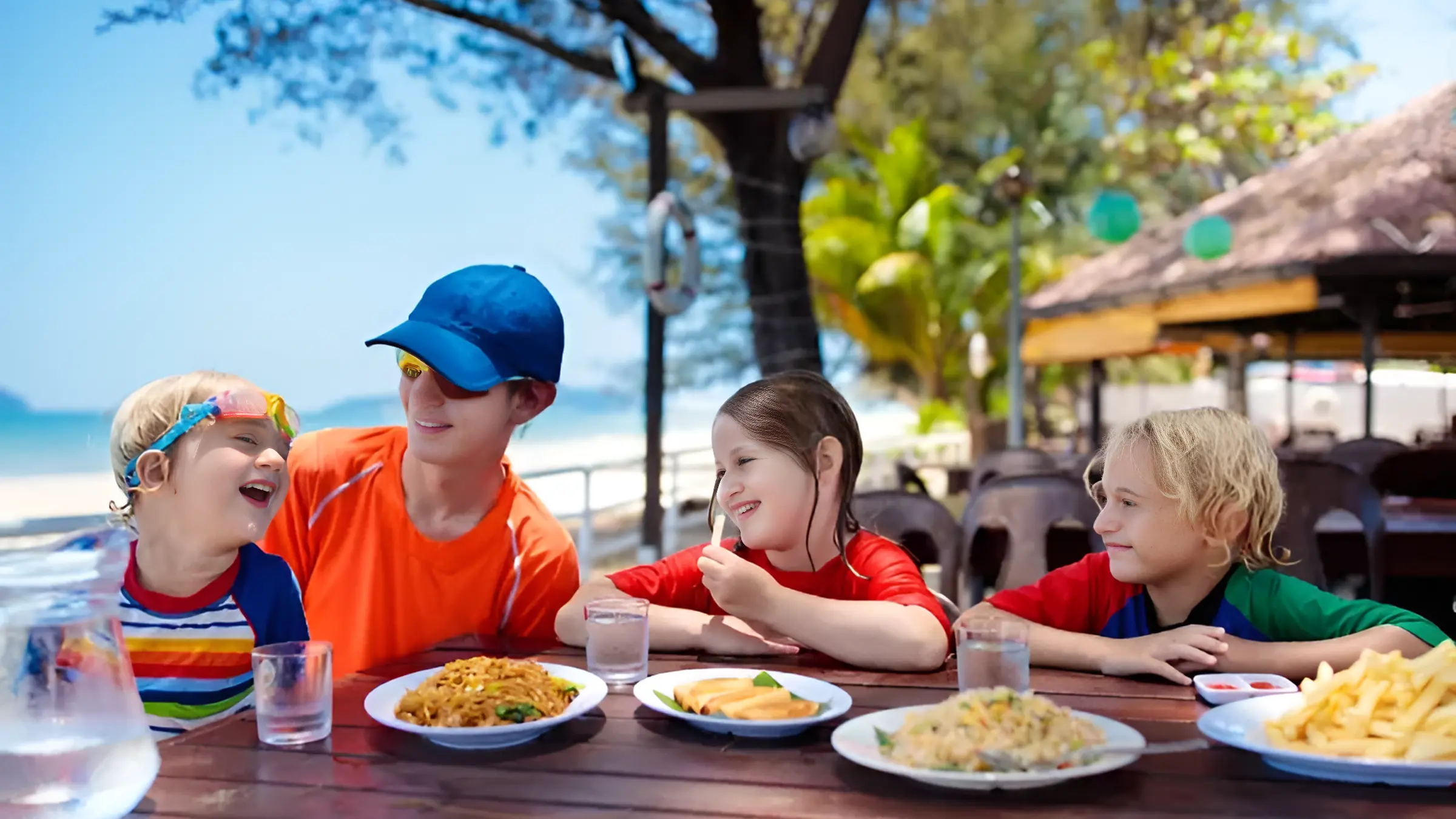
Raising a family in Spain can be a wonderful change of pace. For many expat parents, the appeal is easy to understand: more outdoor time, a strong family culture, a healthier daily rhythm, good schooling options and a lifestyle where children are generally welcomed into everyday social life.
However, a successful move is rarely just about sunshine and lifestyle. Families need to think carefully about visas, school choices, healthcare access, language, housing, budgets and day-to-day logistics. The families who settle best tend to plan early, ask practical questions and choose an area that supports the way they want to live.
This guide gives a clear overview for international parents considering Spain, with a particular focus on the Costa del Sol and Benahavís. It is designed to sit alongside our deeper guides to family life in Benahavís, education and childcare on the Costa del Sol and visas and residency in Spain.
Why Spain Appeals to International Families
Spain is built around family life in a way that many new arrivals notice quickly. Children are not usually treated as an inconvenience in restaurants, plazas or social settings. Instead, they are part of the rhythm of everyday life, often staying out with parents in the evening and joining long lunches, local fiestas and weekend gatherings.
The climate also changes how families spend time together. Beaches, parks, mountain trails, sports facilities and village squares make outdoor living easier throughout much of the year. In southern Spain especially, weekends can naturally become simpler and more active: a walk, a playground, a swim, a bike ride, a family lunch or a morning on the beach.
For parents moving from colder or more urban environments, this can feel like a major lifestyle upgrade. However, the most successful moves are still practical. A beautiful lifestyle only works if the school run, healthcare access, work routine and housing budget also make sense.
Residency and Family Visas in Spain
Before moving, it is important to understand which residency route fits your household. The right option depends on nationality, income, employment, business activity, remote work, savings and family circumstances. What works for one family may not be the right structure for another.
Common non-EU pathways include work-based residence, the digital nomad or telework visa, and non-lucrative residency for those with sufficient passive income or savings. In some cases, family members can apply together or join later through family reunification routes. The details matter, especially when school timing, rental contracts and healthcare access depend on legal residency.
Because visa rules and income thresholds can change, families should always check official guidance and take professional advice before committing to dates. Spain’s Ministry of Foreign Affairs publishes consular guidance for routes such as the digital nomad visa, and the official consular pages also explain family reunification visa procedures.
For a plain-English overview written for our readers, start with our guide to visas and residency in Spain. Families planning remote work may also find our updated Digital Nomad Visa income requirement guide useful.
Education and Childcare for Expat Families in Spain
Education is often the biggest question for parents moving abroad. Spain offers several schooling routes, and your best choice depends on your children’s ages, language confidence, curriculum needs and how long you expect to stay.
Public schools are free for residents and usually teach mainly in Spanish, although regional languages apply in some parts of Spain. For younger children, this route can lead to fast language immersion and local integration. On the Costa del Sol, families who want a stronger English-language pathway often consider private or international schools instead.
International schools may follow British, American, IB or other international curricula. They tend to cost more, but many expat families choose them for continuity, especially if children are older, preparing for exams or may move again later. Semi-private concertado schools sit somewhere between public and private systems, although availability and admissions vary by area.
For younger children, nursery and preschool planning is equally important. Early childhood education in Spain runs up to age six, and the second cycle from ages three to six is widely used by families before formal compulsory education begins. If you are moving with babies or toddlers, compare local guarderías, private nurseries and early years departments at international schools before choosing where to live.
The European Eurydice education overview is a useful official reference for Spain’s education structure, including early childhood and compulsory education stages. You can also read our local guides to education and childcare on the Costa del Sol, international schools near Benahavís and nurseries and early years options in Benahavís.

Healthcare and Wellbeing for Families
Spain has a strong healthcare system, and many expat parents find day-to-day medical care reassuring once they understand how access works. Depending on your residency and employment status, you may access public healthcare through social security contributions, a recognised entitlement route or another approved arrangement.
Private health insurance is also common among international families. It can help with English-speaking doctors, shorter waiting times for some specialists and visa requirements for certain residency routes. Many families use a mix of public and private care, especially during the first year while paperwork and local registration settle into place.
When choosing where to live, look beyond the nearest hospital. Think about local paediatricians, pharmacies, dentists, emergency access and how confident you feel handling appointments in Spanish. Pharmacies in Spain are often very helpful for minor issues, and parents quickly learn which local services they trust.
For a deeper look at the local picture, our Healthcare in Benahavís guide explains the practical options for families living in the municipality and nearby coastal areas.
Cost of Living and Family Finances
The cost of raising a family in Spain varies significantly by location and lifestyle. Madrid, Barcelona and some prime coastal areas have higher housing and international school costs, while smaller towns, inland locations and less tourist-driven areas can feel more affordable day to day.
For families considering Benahavís or the western Costa del Sol, housing will usually be the largest cost. School fees, car costs, private healthcare, sports clubs, childcare, utilities, community fees and travel back to your home country should also be included in your planning. A family budget that works on paper can feel very different once international school fees and a second car are added.
If your move involves buying property, understand the all-in numbers early. In Andalucía, purchase costs sit outside the advertised price, so buyers should allow for taxes, legal fees, notary fees and registry costs. Our Purchase Costs in Andalucía guide explains the figures clearly, while our guide to community fees and running costs helps with ongoing ownership planning.
Community, Culture and Day-to-Day Family Life
Spanish culture places real value on family connections. Multi-generational life is visible, children are usually included in social plans, and the rhythm of the day can feel more relaxed than in many northern European countries. For expat families, schools, sports clubs, language classes and local activities quickly become the easiest way to build a support network.
Learning Spanish, even at a basic level, makes everyday life smoother. It helps with school communication, medical appointments, local administration, tradespeople and neighbours. Children often become confident faster than adults, but parents who make the effort usually integrate more comfortably too.
In Benahavís, many families value the combination of village life, nature, security and access to Marbella, San Pedro and Estepona. The municipality feels quieter than the coast, yet still connects easily to beaches, schools, restaurants, sports facilities and international services.
For a broader picture of local daily life, read our guide to living in Benahavís and our overview of the different Benahavís areas.
Choosing the Best Place for Your Family
Spain offers many family-friendly locations, and the best choice depends on your schooling priorities, commute needs, budget and preferred lifestyle. Some families want city convenience. Others want outdoor space, gated security, quieter evenings and a stronger community feel.
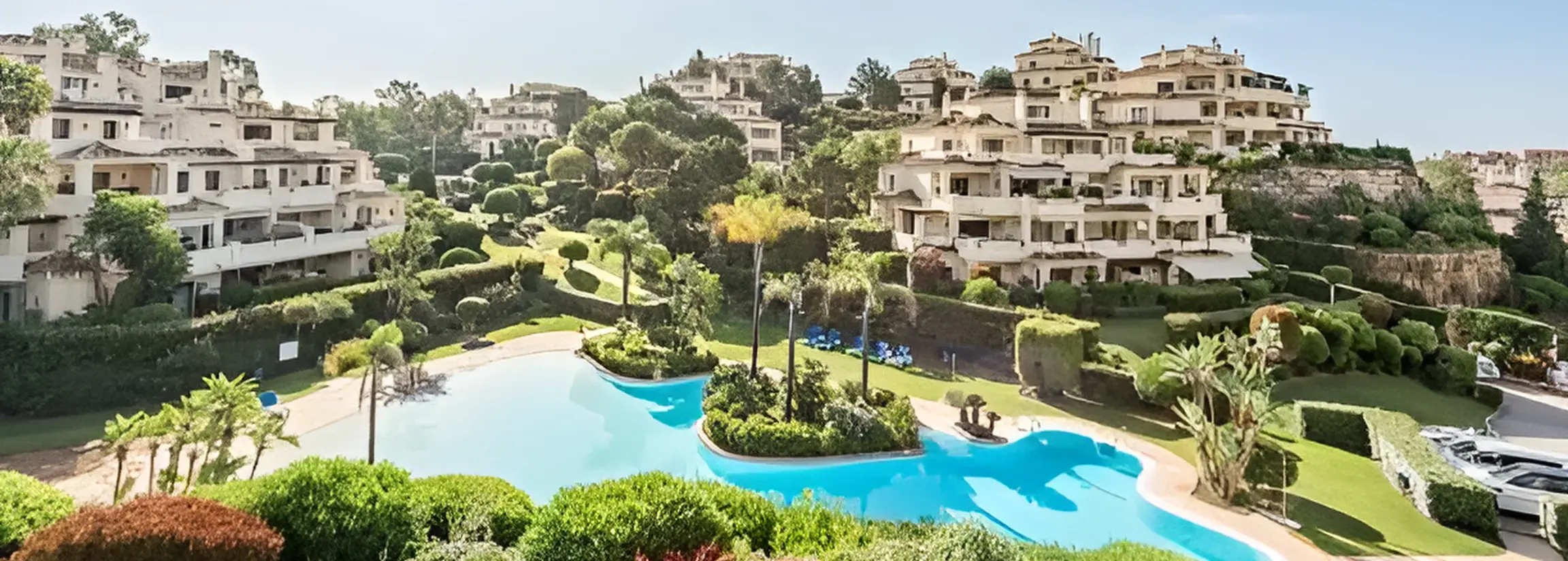
If you are considering the Costa del Sol, Benahavís appeals because it combines greenery, space and a peaceful setting with straightforward access to Marbella, Puerto Banús, San Pedro and Estepona. Several residential communities suit family life particularly well, offering pools, gardens, security and practical access to key routes.
Rather than choosing a property first, many families do better by choosing a school pathway and daily routine, then working backwards to the right area. This avoids the classic mistake of buying a beautiful home that makes every school run or activity unnecessarily stressful.
La Alquería & Atalaya
Practical for families who want access to schools, golf, services and the coast without feeling too remote. This area often works well for school-run logistics.
Capanes del Golf
A calm, resort-style setting with landscaped grounds, pools and a quieter feel. It can suit families who want security and space without losing access to the coast.
La Quinta
Polished, established and close to golf, restaurants, San Pedro and Marbella. La Quinta works well for families who want convenience with a residential feel.
For more detail, our guide to the best neighbourhoods for families in Benahavís compares the main areas from a practical family perspective.
Common Mistakes Families Make When Moving to Spain
Many family challenges come down to timing and expectations. The most common mistake is underestimating how long administration can take, especially around residency paperwork, school enrolment, healthcare registration and property searches.
Another common issue is choosing accommodation before understanding school catchments, transport routes or daily logistics. A home can look perfect online but feel impractical once you factor in morning traffic, after-school activities and where parents need to be during the day.
Families also settle faster when they accept that systems and routines work differently in Spain. Appointments, paperwork, school communication and local processes may not always move at the speed you expect. Patience helps, and so does having good local guidance.
If your move includes buying a home, our Step-by-Step Buying Guide explains the process from search to completion.
Raising Children Bilingually in Spain
One of the long-term benefits of raising children in Spain is bilingualism. Daily exposure through school, friendships, activities and local routines helps children develop Spanish naturally, often faster than parents expect.
Many families find a simple approach works best: keep the home language consistent at home, while allowing Spanish to develop socially and academically. Over time, children often move comfortably between both languages, especially when parents stay positive and patient during the adjustment period.
The transition can still be tiring at first. Younger children may adapt quickly, while older children may need more support, particularly if they are moving into exam years or an unfamiliar curriculum. A good school, realistic expectations and a strong friendship network make a significant difference.
Final Thoughts on Raising a Family in Spain
Raising a family in Spain can be a deeply rewarding change: more outdoor time, a stronger sense of community and a lifestyle that often feels healthier and more balanced. However, the transition is easiest when you plan carefully around visas, schooling, healthcare, budget and daily routine.
Spain is not perfect, and it will not remove every family pressure. But with realistic expectations and the right preparation, it can offer children a supportive environment in which to grow socially, academically and culturally.
For families drawn to the Costa del Sol, Benahavís offers an appealing balance: nature, space, privacy, safety and access to the international services that make relocation easier.
Related Reading
Family Life in Benahavís
Explore school runs, neighbourhoods, healthcare, outdoor life and the daily rhythm of raising children in Benahavís.
Education & Childcare on the Costa del Sol
Compare nurseries, local schools, international schools and early years options for families relocating to the area.
Visas and Residency in Spain
Understand the main residency routes for families, remote workers, retirees and long-term relocators planning a move to Spain.
Planning a Family Move to Benahavís?
Darren & Angelina — your Personal Property Concierge — can help you compare family-friendly areas, school access, daily logistics and homes that genuinely support the way your household wants to live.
Looking for a home outside Benahavís?
Holiday Homes Spain
covers the whole Costa del Sol.