Raising a Family in Spain: Essential Tips for Expat Parents
Thinking of raising a family in Spain? This practical guide for expat parents covers schooling, healthcare, budgeting and what day-to-day family life really looks like — so you can plan with confidence.
Related resources on Benahavís Collection
Contents
- Why Spain is a great country to raise a family
- Residency and family visas in Spain
- Education and childcare for expats in Spain
- Healthcare and wellbeing for families
- Cost of living and family finances
- Community, culture and family life
- Choosing the Best Place for Your Family
- Common mistakes families make when moving
- Raising children bilingually
- Final thoughts
Why Spain is a great country to raise a family
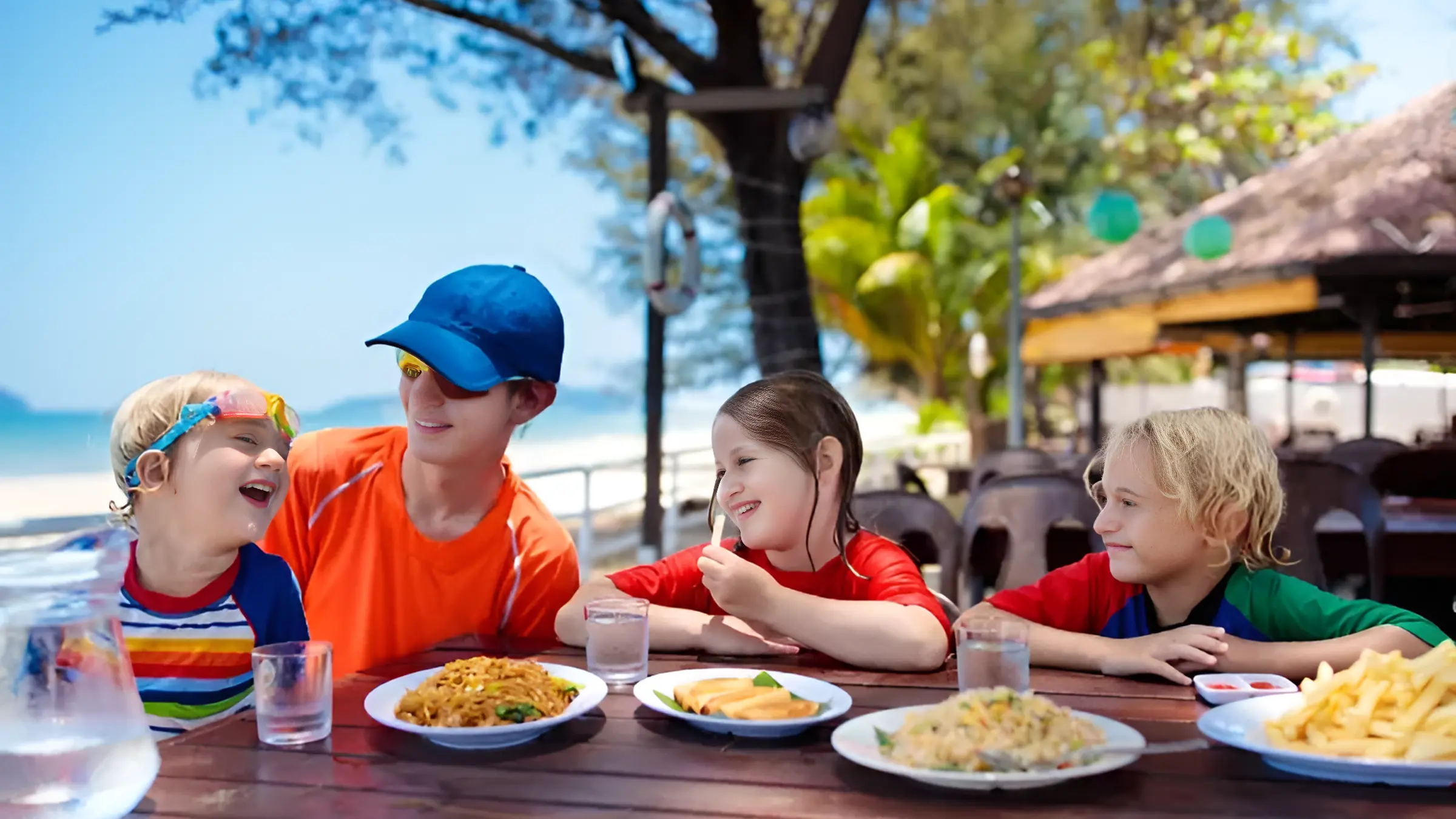
Spain is built around family life. Children are welcomed into everyday social settings rather than treated as an inconvenience, and you’ll often see families out together well into the evening. That relaxed rhythm can be a big shift for new arrivals, but it’s also one of the reasons many expat parents feel their quality of life improves quickly.
Moreover, the climate supports outdoor living. Beaches, parks, plazas and sports facilities are widely accessible, which makes it easier for children to stay active year-round. In practice, many families find their weekends naturally fill up with simple, low-cost plans: a walk, a playground, a bike ride, or a long lunch with friends.
Tip: If you’re looking specifically at southern Spain, our Living in Benahavís guide gives a realistic feel for day-to-day life, amenities, and family logistics.
Residency and family visas in Spain
Before moving, it helps to get clear on the residency route that fits your situation. Immigration options vary depending on nationality, employment plans and family circumstances, so what works for one household may not be the right fit for another.
Common pathways for non-EU families include work-based residence, digital nomad visas and non-lucrative (passive income) residency. Once one parent has legal residency, spouses and dependent children can often join via family reunification. Parents and other dependents may also qualify in some cases, although financial thresholds are typically higher.
Visa rules can change, so professional advice is worth considering early. If you want a clear overview, start with our Spain Visa Options guide. For families planning remote work, our updated Digital Nomad Visa income requirement (2026) resource is also helpful.
Education and childcare for expats in Spain
Education is often the biggest question for parents moving abroad. Spain offers several schooling routes, and your best choice depends on your children’s ages, language confidence, and how long you expect to stay.
Public schools
Free for residents and delivered mainly in Spanish (and sometimes a regional language). This can be ideal for younger children, who typically become fluent quickly through immersion.
Semi-private (concertado) schools
Partially funded by the government, with additional fees. They can offer a strong balance of structure and value, depending on the area.
Private and international schools
Often follow British, American or International Baccalaureate curricula and teach primarily in English. They tend to be more expensive, but many families choose them for continuity — especially if future international moves are likely.
Childcare
Under age three, childcare is usually paid (public or private). From age three, public preschool (educación infantil) is free, but places can be competitive in popular areas.
Next step: If you’re considering the Costa del Sol, see our International Schools guide and the specific profile for Atalaya International College (one of the most popular options for families living around Benahavís).

Healthcare and wellbeing for families
Spain is well known for high-quality healthcare. Once registered as residents, families can access public services including paediatric care, vaccinations and routine appointments. Many expat parents find the system reassuring, particularly for everyday needs.
That said, private health insurance is also popular — especially for quicker access to specialists and English-speaking doctors. Pharmacies are widely available too, and pharmacists are often a helpful first step for minor issues.
Cost of living and family finances
The cost of raising a family in Spain varies significantly by location and lifestyle. Major cities such as Madrid and Barcelona typically have higher housing costs and international school fees, while regional cities and inland areas can feel far more affordable day-to-day.
If your move involves buying property, it’s worth understanding the “all-in” figures early. Our Purchase Costs in Andalucía and Taxes When Buying & Owning guides break down the real costs in plain English.
Community, culture and family life
Spanish culture values family connections. Multi-generational interaction is common, and children tend to grow up in a social environment where neighbours and extended family play an active role. For expat families, schools and local activities become the quickest way to build that support network.
Learning Spanish, even at a basic level, makes everyday life smoother — from parent-teacher meetings to appointments and local admin. Children usually become fluent faster than adults, which helps families integrate socially and feel at home sooner.
Tip: If you’re relocating to Benahavís, you may also like our broader overview of Benahavís areas to get a feel for the different neighbourhood “personalities” and distances.
Choosing the Best Place for Your Family
Spain offers a wide range of family-friendly locations — and the “best” choice often comes down to your schooling priorities, commute needs, budget, and the kind of daily routine you want. Some families prefer the energy and convenience of a city, while others want outdoor space, security, and a strong community feel.
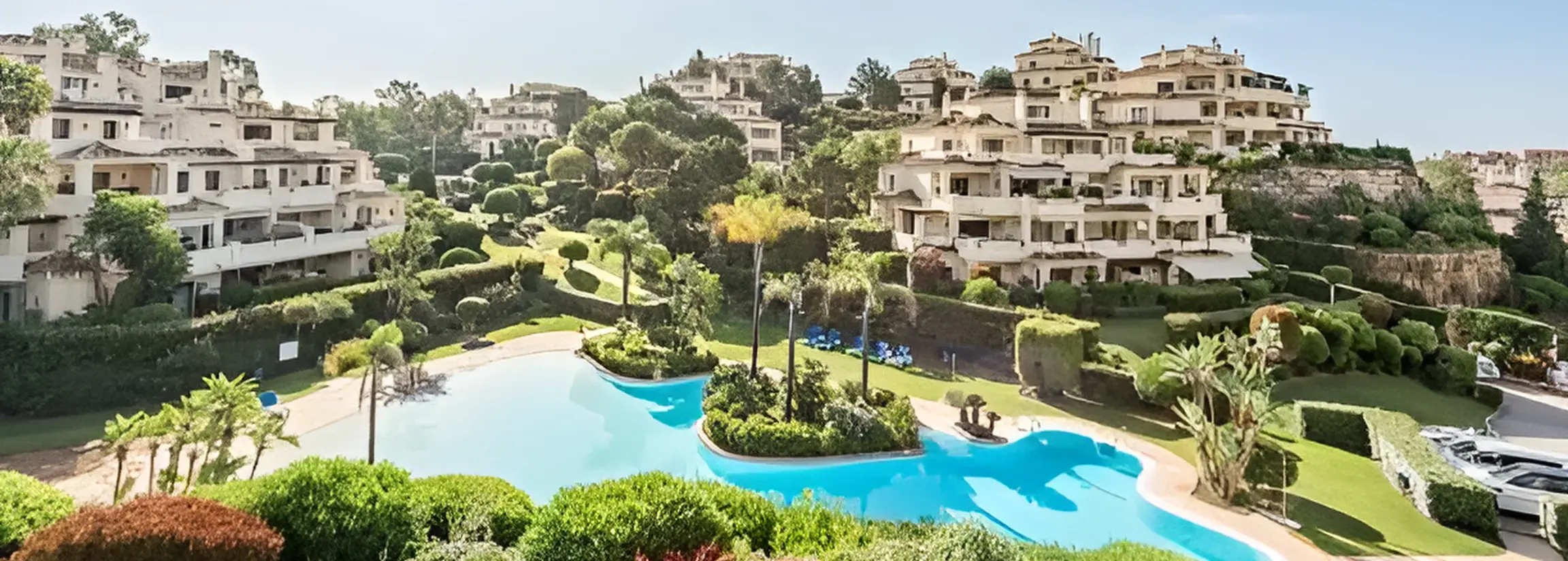
If you’re considering the Costa del Sol, Benahavís is popular with international families because it combines greenery, space and a peaceful setting with straightforward access to Marbella, Puerto Banús and the coast. Moreover, several residential communities here suit family life particularly well — offering gated security, pools, gardens and easy access to golf, nature and key routes.
If you want a simple shortlist first, our guide to Best neighbourhoods for families in Benahavís is designed for exactly this decision.
Family-friendly urbanisations in Benahavís (Costa del Sol)
Gazules del Sol is often chosen for its established community feel, good on-site facilities and practical access to main roads. It sits within the wider La Alquería area, which many families like for its school-run practicality and connections.
Capanes del Golf is another strong option for families who want a calmer, more resort-like setting. Explore the area overview here: Capanes del Golf.
La Quinta is ideal if you want a polished residential area with golf nearby, good dining options and easy access to Marbella and San Pedro.
Area guide: La Quinta.
For a more exclusive, luxury-led lifestyle, El Madroñal stands out as one of the Costa del Sol’s most prestigious gated communities.
Area guide: El Madroñal.
When shortlisting areas, consider school options first, then work backwards to the right neighbourhood and home. Additionally, if you can, visit in both peak season and quieter months — some areas feel very different between summer and winter.
Common mistakes families make when moving to Spain
Many family challenges come down to timing and expectations. The most common mistake is underestimating how long admin can take, especially around school enrolment, residency paperwork and healthcare registration.
Another common issue is choosing accommodation before understanding catchment areas or daily logistics. Finally, families often settle faster when they accept that systems and routines work differently in Spain — and lean into the change rather than resisting it.
Helpful: Our Buyer’s Guide includes practical checklists and next steps if your move includes buying a home.
Raising children bilingually
One of the long-term benefits of raising children in Spain is bilingualism. Daily immersion through school, friendships and activities helps children develop strong Spanish naturally, often faster than parents expect.
Many families find a simple approach works best: keep the home language consistent at home, and allow Spanish to develop socially. Over time, children often switch comfortably between both.
Final thoughts
Raising a family in Spain can be a rewarding change — more outdoor time, a stronger sense of community, and a lifestyle that often feels healthier and more balanced. However, the transition is easiest when you plan carefully around visas, schooling and your budget, and give yourselves time to adapt.
Spain isn’t perfect, but it can offer a supportive environment for children to thrive socially, academically and culturally. With realistic expectations and the right preparation, moving with children can mark the start of a fulfilling new chapter.