Bringing Pets to Spain
A 2026 travel and relocation guide for moving to the Costa del Sol with dogs, cats and other companion animals.

Bringing pets to Spain is an entirely realistic part of moving to the Costa del Sol, provided the journey is planned with care. For many families relocating to Benahavís, Marbella or the wider southern Spanish coast, dogs and cats are not an afterthought. They are part of the move itself.
Spain is one of Europe’s most appealing destinations for pet owners. The climate, outdoor lifestyle and abundance of natural space make it an excellent place for animals to settle, particularly around Benahavís where countryside, walking routes and villa communities form part of daily life.
This guide explains the essentials of bringing pets to Spain, from microchips and rabies vaccinations to pet passports, Animal Health Certificates, flights, arrival procedures and life with animals once you are here.
Bringing Pets to Spain: Understanding the Rules
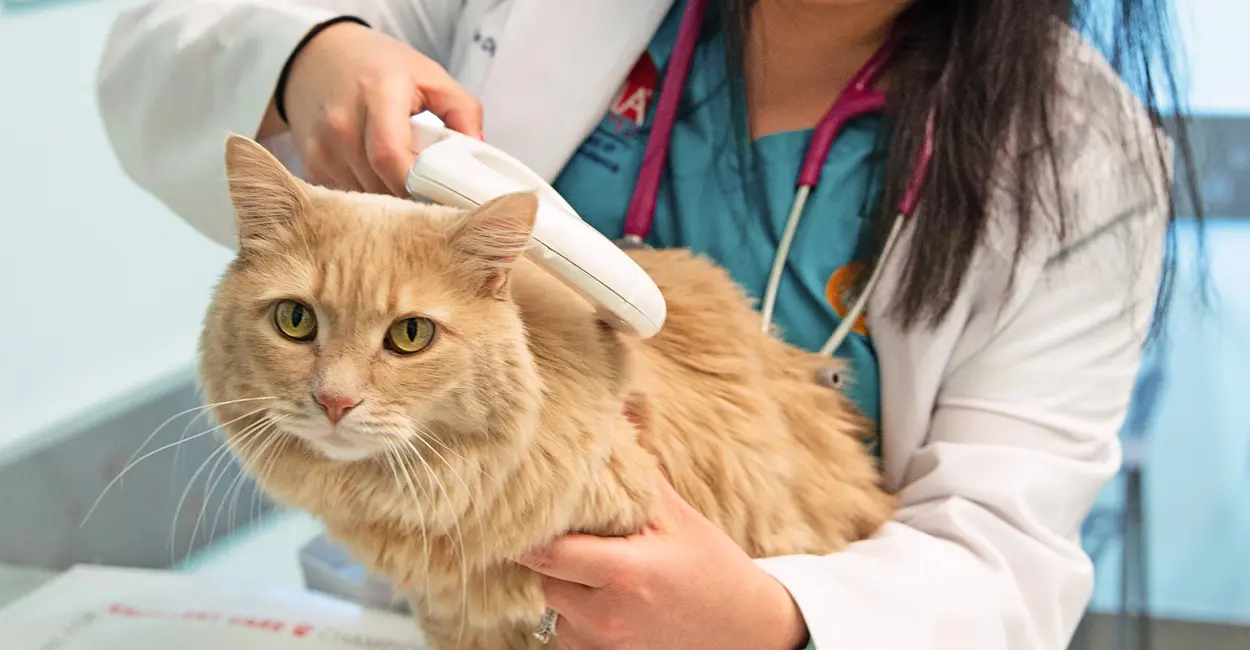
Spain follows the European Union’s standard regulations for the movement of companion animals. These rules exist to protect public health and ensure that animals entering the country meet identification, vaccination and documentation requirements.
The simplified travel system mainly applies to dogs, cats and ferrets. Other animals, including birds, reptiles and rodents, can be subject to separate procedures and may require additional documentation.
In most cases, pets entering Spain must travel with their owner or with someone authorised by the owner. Non-commercial travel is usually limited to five animals, unless they are travelling for recognised competitions, exhibitions or sporting activities.
For dogs, cats and ferrets, the essential requirements are identification, rabies vaccination and the correct travel document.
Microchips, Rabies Vaccinations and Pet Documents
The first requirement is proper identification. Pets entering Spain must have an ISO-compliant microchip, or a clearly readable tattoo applied before 3 July 2011. The microchip should be implanted before the rabies vaccination, because the vaccination record is linked to the animal’s chip number.
Rabies vaccination remains central to EU pet travel rules. The animal must usually be at least 12 weeks old when vaccinated, and if it is a first vaccination, there is normally a 21-day waiting period before travel.
Documentation depends on where you are travelling from. Pets arriving from another EU country can usually travel with an EU Pet Passport issued by an authorised veterinarian. Pets arriving from outside the EU generally need an Animal Health Certificate or equivalent official veterinary document.
Some non-EU countries also require a rabies antibody blood test before entry into Spain. This can add several months to the process, so long-distance relocations should be planned early.
Official Spanish guidance on pet movement is available through Spain’s Ministry of Agriculture.
Visiting Spain With Your Pet

Many visitors to the Costa del Sol choose to travel with their pets, especially those staying for longer holidays or spending time in private villas and apartments. Spain’s relaxed outdoor culture makes it relatively easy to include dogs in daily life, from terrace cafés to countryside walks.
However, pet travel should never be left until the final days before departure. Documents, vaccination timings and airline requirements can all affect your journey. This is especially important for owners travelling from the UK or other non-EU countries.
If you regularly travel between Spain and Britain, our companion article on travelling with pets between Spain and the UK explains the post-Brexit documentation process in more detail.
Flying to Spain With Pets
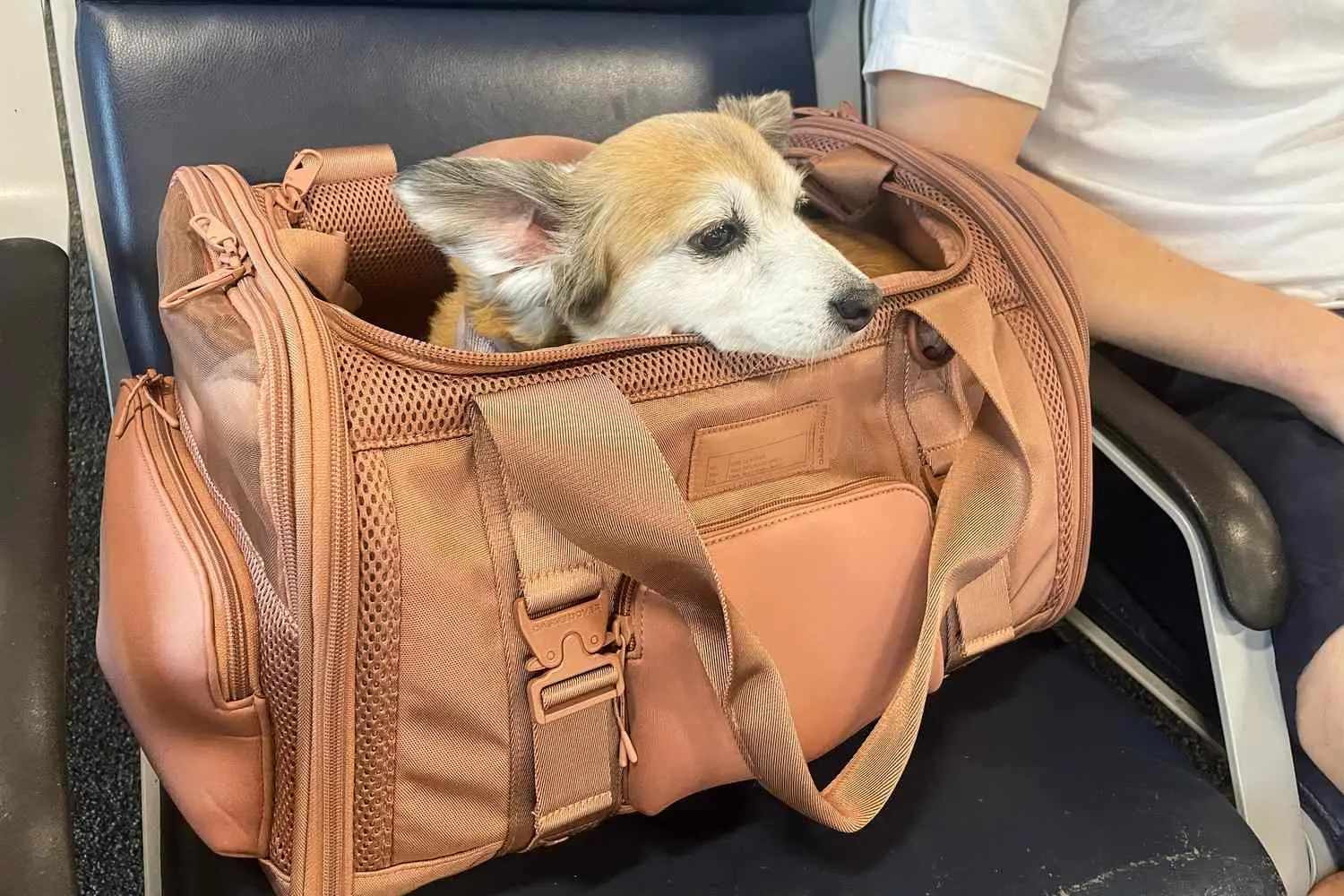
Air travel is the most common way to bring pets to Spain. Many airlines allow small animals to travel in the cabin if they remain inside an approved carrier, while larger animals usually travel in a climate-controlled hold.
Each airline has its own policies regarding weight limits, crate dimensions, routes and booking procedures, so it is important to check the details before planning your journey. Some owners also choose specialist pet relocation companies, particularly for long-distance moves.
If you are arriving from outside the EU, you may need to enter through an authorised point of entry where animal documentation can be checked.
Moving to Spain With Pets Long Term

If you are relocating permanently, the entry requirements are only the beginning. Once you begin living in Spain full-time, veterinary care, local registration and daily routines become part of the wider relocation process.
Dogs usually need to be registered locally once you are resident. Registration is normally handled through the local Ayuntamiento, and requirements can vary by municipality. Some breeds may also fall under Spain’s potentially dangerous dog rules, which can involve licensing, insurance and additional safety requirements.
Considering pet insurance in Spain? Our independent insurance partner can provide quotations for pet cover, including policies that may include veterinary fees following accident or illness, third-party liability, boarding fees and loss through straying or theft. Explore pet insurance and request a quote →
For most owners, however, the process is straightforward. The Costa del Sol has excellent veterinary care, and many clinics around Marbella and Benahavís work regularly with international residents.
If your move forms part of a wider lifestyle relocation, our Costa del Sol Relocation Guide may also be useful.
Life in Benahavís With Pets

One of the reasons many people choose Benahavís is the lifestyle. Surrounded by mountains, forests and open countryside, the area provides a natural setting for life with dogs and other pets.
Morning walks often take place along quiet residential roads or countryside paths, while weekends might include hikes in the hills, relaxed lunches on terraces or visits to pet-friendly areas along the coast.
Many homes in the area also offer generous terraces, gardens or private plots, giving animals more room to settle. This is one reason pet ownership often forms part of the property conversation for families moving to the region.
For a more lifestyle-led view of the area, read our feature on pet-friendly living in Benahavís and Marbella.
Buying or Adopting a Pet After Moving to Spain
Not everyone arrives with a pet. Some people decide to adopt or buy a dog or cat after settling into life here. Spain has a large rescue community, as well as responsible breeders and specialist pet shops.
The key is to proceed thoughtfully. A pet should suit the life you are building, the climate you are living in and the home you have chosen. Our guide to buying a pet in Spain explores adoption, breeders, pet shops and responsible ownership in more detail.
Practical Tips for Bringing Pets to Spain
Preparing well in advance is the best way to ensure a smooth journey. Veterinary documentation and blood tests can take time, so planning several months ahead is wise, especially for relocations from outside the EU.
It is also important to confirm airline policies early and ensure your pet’s travel crate meets international safety standards. For long journeys, direct flights can help reduce stress for both the animal and the owner.
Finally, remember that southern Spain can become very hot during the summer months. Once you arrive, shade, water and cooler walking times are essential.
Is Spain a Good Place to Live With Pets?
For many international residents, the answer is yes. Spain’s climate, outdoor culture and relaxed lifestyle create an environment where pets are naturally included in everyday life.
The Costa del Sol in particular offers a rare combination of countryside, beaches, veterinary services and international communities. Whether you are visiting for a few weeks or planning a permanent move to Benahavís or Marbella, bringing pets to Spain is not only possible. It can be one of the most rewarding parts of the move.
Thinking of relocating to Benahavís?
Explore our guide to living in Benahavís or browse our relocation resources to learn more about living on the Costa del Sol.
Related Reading
Travelling With Pets Between Spain and the UK
A companion guide for owners who regularly move between Britain and Spain and need to understand the post-Brexit travel process.
Pet-Friendly Living in Benahavís and Marbella
A lifestyle-led look at daily life with pets, from countryside walks and terraces to choosing a home that suits your animals.
Costa del Sol Relocation Guide 2026
A broader guide to moving to southern Spain, including lifestyle, practical planning and the wider relocation journey.
Have a Question About Benahavís?
Darren & Angelina — your Personal Property Concierge — can help with property, relocation, lifestyle and area questions across Benahavís. Send us a short message and we’ll point you in the right direction.
Looking for a home outside Benahavís?
Holiday Homes Spain
covers the whole Costa del Sol.