
Andalucía Day: A Local Celebration and 11 Fascinating Facts
Today is Andalucía Day (Día de Andalucía) — a regional public holiday when Andalusians come together to celebrate the region’s rich culture, history and heritage.
Here are a few brilliant facts about Spain’s southernmost region — perfect for sharing with friends over a desayuno andaluz, a tapas crawl, or a glass of sherry.
11 Fast Facts About Andalucía
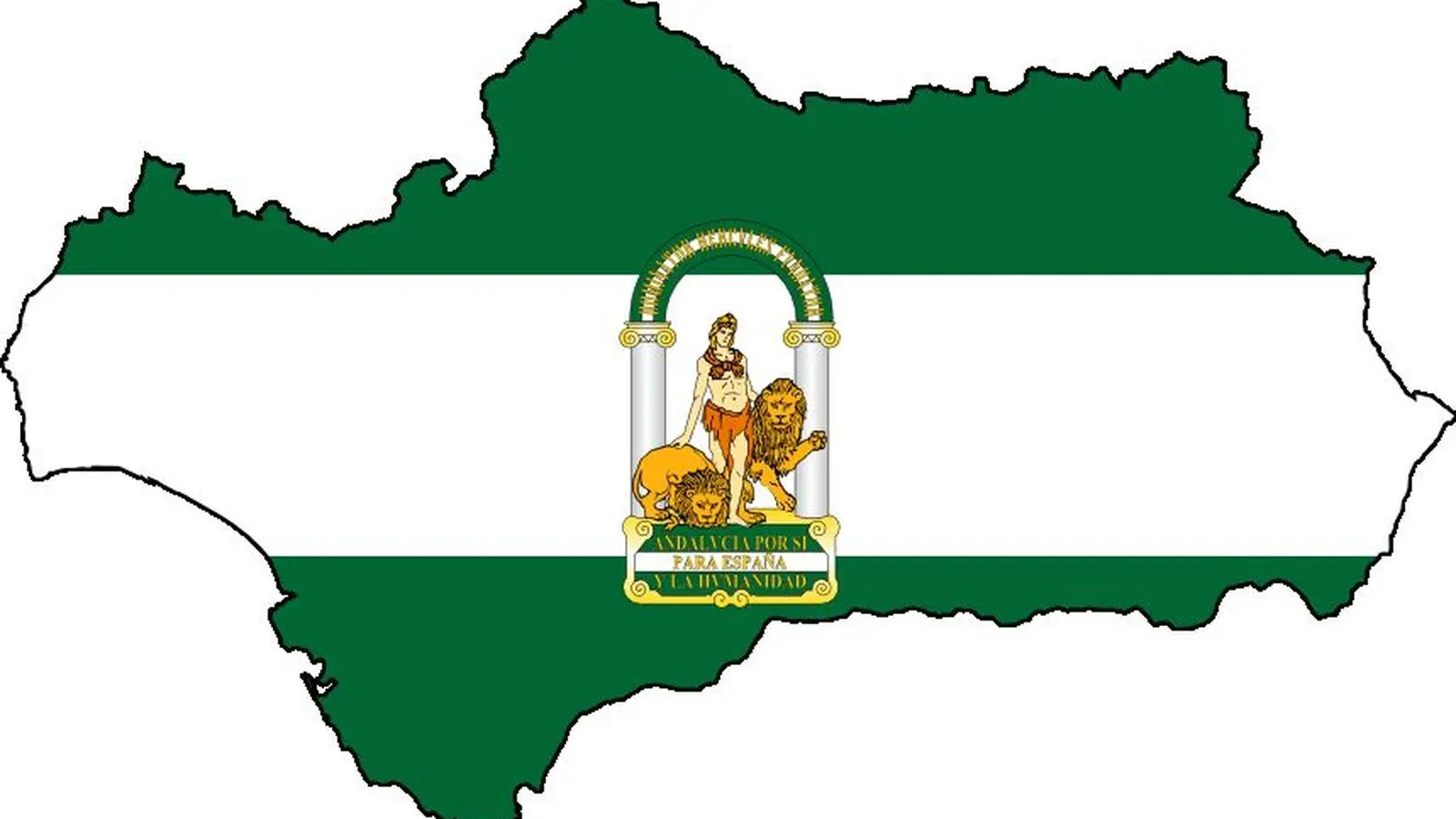
- Día de Andalucía (28 February) commemorates the historic 1980 referendum in which the Andalusian electorate voted for Andalucía to become an autonomous community of Spain. Andalucía also established its own flag and its capital city, Sevilla. Moreover, the region’s coat of arms includes the Roman hero Hercules who, according to popular legend, used his strength to split the Atlas Mountains — creating the Strait of Gibraltar, with the Rock of Gibraltar on one side and Jebel Musa (Ceuta) on the other.
- In some cities — especially around Málaga — schools close for a Semana Cultural (“cultural week”), also known as Semana Blanca (“white week”). The Friday before is often celebrated with a traditional Andalusian breakfast: toast with olive oil and orange juice.
- Andalucía is considered the birthplace of tapas — those irresistible mini-portions that define Spanish gastronomy. Legend has it that in the 19th century, Alfonso XIII stopped at a tavern in Cádiz and was served a glass of wine with a slice of ham placed on top to keep dust out. He enjoyed it so much that tapas spread from there — and tapa literally means “cover” or “lid”. You can find details of tapas bars and other restaurants in Benahavis here->
- Cádiz, where the tapas legend is set, has another claim to fame: it is often described as Europe’s oldest city. Founded as a Phoenician port in the 7th century BC, its Atlantic-facing position helped it dominate trade routes for centuries. The old town (Casco Antiguo) still preserves landmarks that echo that long history.
- As Spain’s southernmost region, it may be no surprise that Andalucía is also the nation’s warmest.
- Andalucía’s warm microclimates are helped by its mountainous geography, which acts as a barrier to colder northern winds. In fact, mountains cover over half of the region’s surface area. The Sierra Nevada is home to Mulhacén, Spain’s highest mainland peak at 3,482 metres (11,424 ft).
- With year-round warm weather, Andalucía is a natural choice for beach lovers. However, it is equally strong for sport: the region has around 120 golf courses across its eight provinces, making it one of Europe’s most popular golf destinations.
- Andalucía has produced an extraordinary number of global names across film, art, sport and literature — including Antonio Banderas, Pablo Picasso, Diego Velázquez, Fernando Hierro, Sergio Ramos, poet Federico García Lorca, golfer Miguel Ángel Jiménez, and music duo Los del Río, among many others.
- Andalucía’s dramatic landscapes have featured in countless films, including the classic “Spaghetti Westerns”. The Good, the Bad and the Ugly, directed by Sergio Leone and starring Clint Eastwood, was largely filmed in Almería.
- If you enjoy a glass of sherry, you have Andalucía to thank. The wine is made from white grapes grown near Jerez de la Frontera (Cádiz), and “Sherry” is an anglicised form of “Jerez”. If your a wine fan, we have highlighted some of our favourite local wines here->
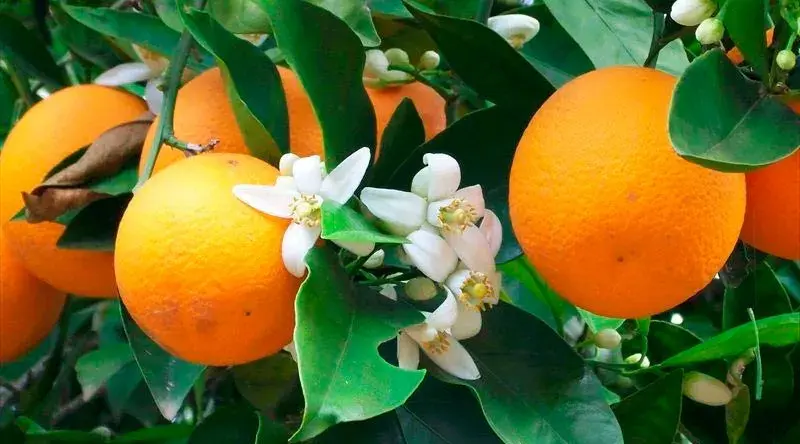
- Andalucía is famously food-focused — and one of its iconic sights even inspired a British favourite: Sevilla oranges, known for their bitterness, are a principal ingredient in traditional English marmalade.
Happy Andalucía Day
Whether you’re enjoying a village stroll, planning a weekend in Sevilla, or sharing tapas with friends on the Costa del Sol, Andalucía Day is a wonderful reminder of the region’s depth and identity.
Andalucía Day: A Local Celebration and 11 Fascinating Facts
Today is Andalucía Day (Día de Andalucía) — a regional public holiday when Andalusians come together to celebrate the region’s rich culture, history and identity.
From Moorish palaces and Atlantic ports to mountain villages and vibrant gastronomy, Andalucía is a region layered with stories. Here are 11 fascinating facts about Spain’s southernmost community — perfect for sharing over a desayuno andaluz, a tapas crawl, or a glass of sherry.
11 Fast Facts About Andalucía
- Día de Andalucía (28 February) commemorates the historic 1980 referendum in which the Andalusian electorate voted to become an autonomous community of Spain. Andalucía established its own flag and capital city, Sevilla. The regional coat of arms features the Roman hero Hercules, who legend says split the Atlas Mountains to create the Strait of Gibraltar.
- In some cities — particularly around Málaga — schools close for Semana Blanca. The week often includes a traditional Andalusian breakfast of olive oil on toast and fresh orange juice.
- Andalucía is widely considered the birthplace of tapas. Legend has it that King Alfonso XIII was served wine covered with a slice of ham to keep dust out — and the tradition of the “tapa” (meaning lid or cover) was born. You can explore some of the best tapas bars and restaurants in Benahavís here →
- Cádiz is often described as Europe’s oldest city. Founded by the Phoenicians in the 7th century BC, its Atlantic position made it one of Spain’s most important trading ports.
- As Spain’s southernmost region, Andalucía is also the warmest, benefiting from long summers and mild winters.
- Its mountain ranges — including the Sierra Nevada — protect the region from colder northern winds. Mulhacén, at 3,482 metres, is mainland Spain’s highest peak.
- With nearly 120 golf courses across its eight provinces, Andalucía has one of Europe’s highest concentrations of golfing facilities.
- Andalucía has produced global cultural icons including Pablo Picasso, Federico García Lorca, Antonio Banderas, Sergio Ramos and Miguel Ángel Jiménez.
- The dramatic landscapes of Almería hosted many classic “Spaghetti Western” films, including The Good, the Bad and the Ugly.
- If you enjoy a glass of sherry, you have Andalucía to thank. The wine originates from Jerez de la Frontera — and if you’re a wine enthusiast, we’ve highlighted some of our favourite local wines here →
- Sevilla oranges, famous for their bitterness, are the key ingredient in traditional English marmalade.
Iconic Places That Define Andalucía
- Sevilla — the capital, home to the Alcázar and centuries of architectural splendour.
- Granada — where the Alhambra overlooks the Sierra Nevada.
- Córdoba — famed for the Mezquita and its historic old quarter.
- Ronda — dramatic clifftop scenery just inland from the Costa del Sol.
- Cádiz — Atlantic beaches and one of Europe’s oldest urban settlements.
- Almería — desert landscapes that shaped cinematic history.
The Birthplace of Flamenco
Flamenco originated in Andalucía in the 18th century, shaped by Romani, Moorish, Jewish and Andalusian influences. Cities such as Sevilla and Jerez became cultural centres for this deeply emotional art form, where song, guitar and dance express centuries of history.
More than music, flamenco represents resilience, passion and identity — qualities that still define the region today.
Andalucía at Its Heart — Benahavís
While cities like Sevilla and Granada showcase Andalucía’s grandeur, villages such as Benahavís reflect its everyday charm — gastronomy, mountain views and strong community spirit.
Here on the Costa del Sol, Andalucía Day is not just a date in the calendar. It is a reminder of why so many choose to visit, return — and ultimately stay.
Happy Andalucía Day
Whether you’re exploring Andalucía for the first time or already call southern Spain home, today is a celebration of warmth — in climate, culture and community.